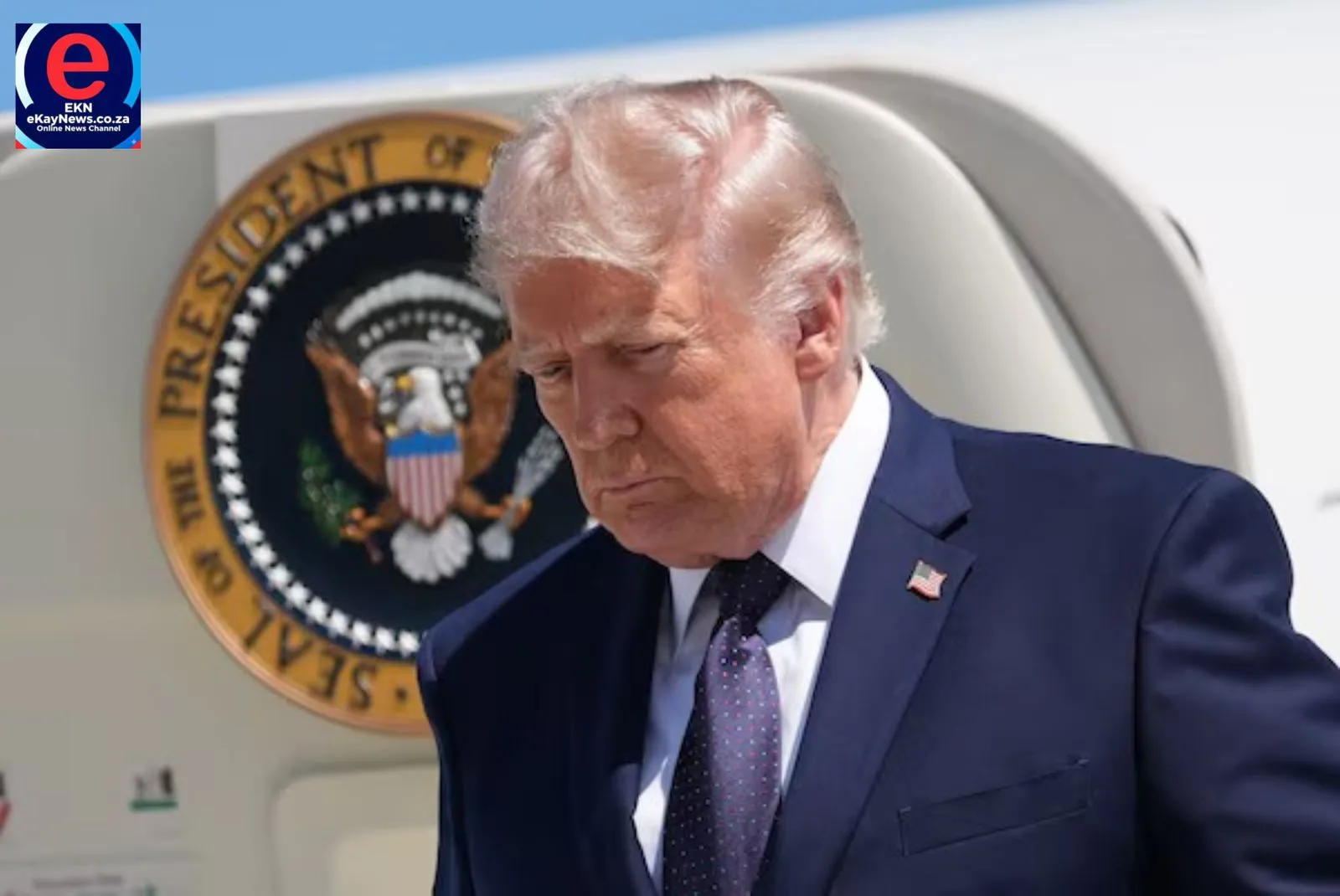
Donald Trump shares draft Iran peace agreement with Israel and other allies
Trump shares draft Iran peace deal with Israel as diplomatic efforts intensify to stabilize the Middle East amid ongoing conflict risks and fragile ceasefire conditions. The proposed US-Iran deal has been circulated among key allies, including Israel, as Washington attempts to prevent renewed escalation and secure a long-term diplomatic framework.
The draft Trump peace agreement comes at a critical moment, with both U.S. and Iranian negotiators trying to avoid fresh breaches of the ceasefire that could collapse ongoing discussions entirely. Officials involved in mediation say the situation remains highly sensitive, particularly as regional tensions continue to rise.
Strait of Hormuz tensions shape fragile negotiations
The escalating Strait of Hormuz tensions remain central to the dispute, as the strategic waterway continues to be a flashpoint between U.S. and Iranian forces. Recent incidents involving naval activity and drone operations have heightened fears that the ceasefire could break down.
Reports indicate that Tehran targeted a U.S. airbase in Kuwait following American strikes on suspected Iranian drone operations near the Strait. These developments underline the volatility of the situation even as diplomatic channels remain open.
At the same time, U.S. officials have emphasized that any agreement must ensure unrestricted navigation through the Strait of Hormuz, which is vital for global energy supply chains.
Trump peace agreement includes major diplomatic framework
The circulating Trump peace agreement reportedly includes provisions that would reopen commercial shipping routes through the Strait of Hormuz, lift portions of the U.S. blockade on Iranian ports, and provide Iran access to billions in frozen assets.
Under the draft, commercial shipping would return to pre-war levels within 30 days, while broader negotiations would continue for up to 60 days on Iran’s nuclear programme.
The agreement also outlines discussions on uranium stockpiles, enrichment limits, and monitoring by the International Atomic Energy Agency (IAEA). Iran would also commit to renouncing nuclear weapons development under the proposed framework.
Shipping and sanctions relief conditions
A key element of the agreement involves sanctions relief in exchange for verified nuclear commitments. The U.S. would also consider easing restrictions on Iran’s oil exports under strict conditions.
However, officials say disagreements remain over the extent of sanctions relief and how Iran’s nuclear materials would be handled during the transition period.
Iran nuclear negotiations remain unresolved
The ongoing Iran nuclear negotiations continue to face significant challenges, particularly around uranium enrichment levels and verification mechanisms. While both sides have signaled willingness to continue discussions, major sticking points remain unresolved.
U.S. Vice President JD Vance stated that the two sides are “close to a deal” but acknowledged that final approval is still pending due to unresolved technical and political issues.
China has also reportedly urged the United Nations Security Council to support any finalized agreement, highlighting the global importance of the negotiations.
Iran’s nuclear commitments under debate
One of the most contested elements of the agreement is Iran’s commitment regarding enriched uranium and its long-term nuclear ambitions. While preliminary drafts suggest restrictions, Iran has not yet fully confirmed acceptance of the terms.
Israel US diplomacy and regional concerns
The role of Israel US diplomacy has become increasingly important as Israeli officials express concerns about the proposed deal. Analysts suggest that Israel is particularly wary of provisions that allow Iran to retain nuclear capabilities in any form during the negotiation period.
Israel is also concerned about broader regional implications, including the involvement of proxy groups and the inclusion of Lebanon in ceasefire frameworks.
Despite these concerns, the U.S. continues to circulate draft proposals among allies in an effort to build consensus before final approval.
Diverging regional interests
Different regional actors have varying positions on the proposed agreement. While some support de-escalation, others remain skeptical of Iran’s intentions and the durability of any ceasefire arrangement.
Strait of Hormuz remains a geopolitical flashpoint
The Strait of Hormuz tensions continue to dominate geopolitical discussions, as the waterway is essential for global oil transportation. Any disruption could have immediate consequences for international markets.
Iranian forces have recently increased naval activity in the region, while U.S. and allied forces continue to monitor shipping routes closely.
Reports indicate that Iranian authorities have asserted control over vessel movement in parts of the Strait, further complicating negotiations.
Economic impact of US-Iran deal developments
The potential US-Iran deal has already influenced global oil prices, with markets reacting to both progress and setbacks in negotiations. Analysts warn that continued instability could keep energy markets volatile.
A successful agreement could stabilize shipping routes and reduce energy price fluctuations, while failure could trigger renewed conflict and economic disruption.
Internal pressures in Iran and US political strategy
Inside Iran, political leaders face growing pressure over whether to engage further with the United States. Supreme leadership figures have urged unity and warned against internal divisions during negotiations.
In the United States, President Trump is reportedly weighing both diplomatic and strategic consequences before giving final approval to the draft agreement.
Officials say Trump has requested additional time to review key provisions before making a final decision.
Outlook for Trump peace agreement negotiations
The future of the Trump peace agreement remains uncertain as both sides continue to negotiate technical and political details. While progress has been made, final approval from leadership in both Washington and Tehran is still required.
Diplomats involved in the talks caution that even small disagreements could delay or derail the process entirely.
YOU MAY LIKE:
Conclusion
Trump shares draft Iran peace deal with Israel at a critical moment in international diplomacy, as the US-Iran deal moves through sensitive negotiations involving the Strait of Hormuz, nuclear restrictions, and regional security arrangements.
While the Trump peace agreement offers a potential path toward de-escalation, unresolved issues in Iran nuclear negotiations, ongoing Strait of Hormuz tensions, and complex Israel US diplomacy challenges continue to cast uncertainty over the outcome.
The coming weeks will be decisive in determining whether the draft agreement leads to lasting peace or further escalation in an already volatile region.
References (Mainstream Media Sources)
- The Guardian – Trump shares draft Iran peace agreement with Israel and allies
https://www.theguardian.com/world/2026/may/28/donald-trump-shares-draft-iran-peace-agreement-with-israel-and-other-allies - Reuters – US and Iran exchange strikes amid Strait of Hormuz tensions
https://www.reuters.com/world/middle-east/iran-us-trade-air-strikes-after-trump-dismisses-report-hormuz-deal-2026-05-28/
Keep the Headlines Fresh!

Quality news takes time, effort, and a whole lot of coffee. If you value what we do at eKayNews, consider “buying a round” for the team!
-
Join the Inner Circle: Set up a custom subscription.
-
The Instant Jolt: Send a one-time “coffee” donation.
Why trust us? We use PayFast for 100% secure, encrypted transactions. Your data stays yours; the news stays ours.
To our amazing readers: You’re the reason we’re first on the scene. Thanks for being part of the family!
Feel the Pulse of the News with eKayNews!

Join the ever-growing eKayNews community and stay connected to the stories that matter. Follow us on Facebook, X, and WhatsApp for real-time updates, breaking news, and exclusive alerts straight to your feed. Your support keeps us digging deeper and sharing the news you can trust.
Stay Connected:
-
Facebook: [eKayNews on Facebook]
-
X (Twitter): [eKayNews on X]
-
WhatsApp: [Join the eKayNews WhatsApp Channel]
Become part of our inner circle and get instant news alerts as events unfold across South Africa and beyond!
Promote Your Brand with eKayNews
Looking to reach a wide, engaged audience? Explore our advertising packages:
-
Link Booster: 7 links to 7 articles over 7 days – R2,500
-
Permanent Feature: Sponsored blog article hosted permanently – R4,000
-
Prime Visibility: Home page banner ad for 30 days – R5,000
Don’t miss your chance to connect with our audience. Book your package today via email at info@ekaynews.co.za or WhatsApp us on +27710961185.
Be part of a platform where news meets community—stay informed, stay ahead, stay with eKayNews!