US-Iran deal awaits Trump approval to reach deal
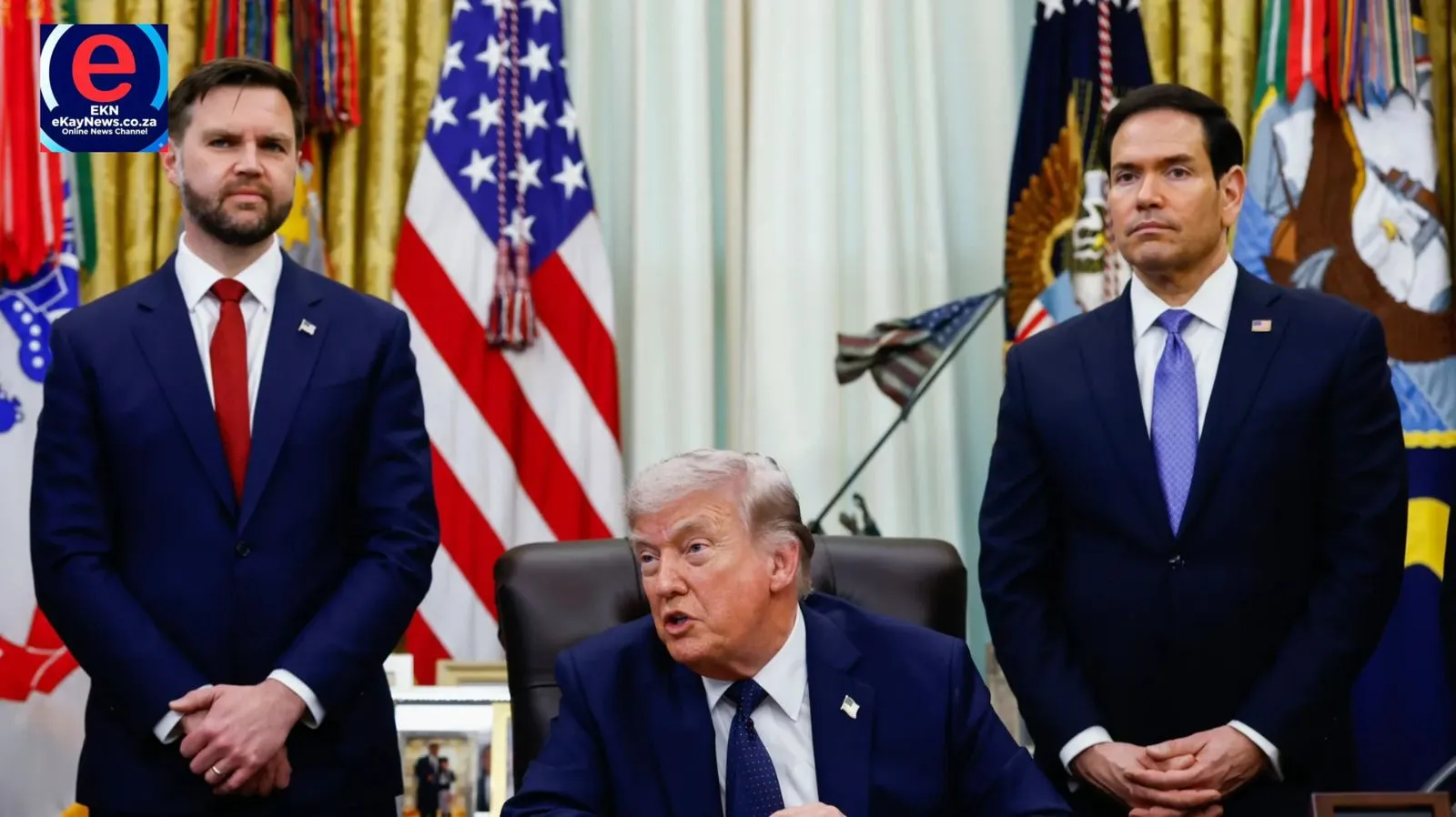
US-Iran deal awaits Trump approval to reach deal as negotiators from Washington and Tehran reportedly finalize a 60-day memorandum of understanding aimed at extending the current ceasefire and launching formal nuclear negotiations. The proposed agreement could become one of the most significant diplomatic developments since tensions between the United States and Iran escalated into open conflict earlier this year.
According to officials involved in the mediation process, both sides have largely agreed on the terms of the temporary arrangement. However, President Donald Trump has not yet given final approval, while Iran has also not officially confirmed its acceptance of the framework.
The proposed memorandum is expected to pave the way for broader U.S.-Iran deal discussions, focusing on Iran’s nuclear programme, sanctions relief, regional security, and shipping access through the Strait of Hormuz.
Trump nuclear talks enter critical stage
The latest Trump nuclear talks represent a major turning point in diplomatic relations between the United States and Iran. Officials say the memorandum of understanding is intended to create space for direct negotiations and reduce military tensions in the Gulf region.
One U.S. official reportedly described the agreement as a mechanism to “get everybody to the table,” explaining that more difficult issues would be addressed during the negotiation period.
Although negotiators from both sides reportedly reached preliminary consensus on key terms, Trump requested additional time before making a final decision. Sources close to the discussions indicated that the President wanted “a couple of days to think about it.”
This hesitation reflects the complicated political and military dynamics surrounding the proposed agreement.
Strait of Hormuz remains central to negotiations
The Strait of Hormuz continues to play a critical role in the ongoing negotiations. The proposed memorandum reportedly guarantees unrestricted shipping through the strategic waterway, which carries a significant percentage of the world’s oil exports.
U.S. officials said the agreement would require Iran to remove all naval mines from the Strait within 30 days and prevent interference with international shipping traffic.
The waterway has become a flashpoint during the conflict, with repeated naval incidents involving both U.S. and Iranian forces. Even while negotiations were being finalized, reports emerged of two separate confrontations in the Strait of Hormuz within 48 hours.
Global energy markets remain highly sensitive to developments in the region because any disruption to shipping routes can cause major spikes in oil prices and supply chain instability.
Naval blockade and shipping restoration
Under the reported agreement, the United States would gradually lift its naval blockade in proportion to the restoration of commercial shipping activity. This step could help stabilize international energy markets and reduce economic pressure on Iran.
Officials also stated that sanctions waivers may be introduced, allowing Iran to resume certain oil exports during negotiations.
Iran ceasefire agreement could reshape regional politics
The proposed Iran ceasefire agreement is not limited to nuclear issues alone. Reports suggest that the memorandum also includes broader discussions about regional peace and conflict reduction across the Middle East.
One major point reportedly included in the draft involves ending hostilities between Israel and Hezbollah in Lebanon. This issue has reportedly caused tension between Trump and Israeli Prime Minister Benjamin Netanyahu.
Analysts believe the ceasefire agreement could reshape diplomatic relations in the region if negotiations succeed. However, many experts remain cautious because previous attempts at reaching a lasting agreement have repeatedly collapsed.
Iran nuclear negotiations focus on uranium and sanctions
The upcoming Iran nuclear negotiations are expected to focus heavily on uranium enrichment, nuclear inspections, and sanctions relief.
Officials familiar with the discussions claim Iran has verbally committed to not pursuing nuclear weapons as part of the temporary agreement. The memorandum reportedly prioritizes discussions about Iran’s highly enriched uranium stockpile and future enrichment limits.
The United States, meanwhile, is expected to discuss the possibility of easing sanctions and releasing frozen Iranian assets during the negotiation period.
However, both sides remain deeply divided over the scale of concessions required for a permanent agreement.
Sanctions relief remains sensitive issue
Iran has consistently demanded economic relief as part of any long-term deal. U.S. officials insist that sanctions relief will depend on Iran’s willingness to make significant nuclear concessions.
Negotiators also reportedly discussed humanitarian mechanisms that would allow Iran to receive essential goods and aid more easily during the negotiation process.
Trump balancing diplomacy and military pressure
President Trump’s cautious approach highlights the balance between diplomacy and military pressure in U.S. foreign policy. Officials indicated that Trump still wants all options — including military and economic measures — to remain available if negotiations fail.
The administration reportedly views the memorandum as an opportunity to test Iran’s willingness to negotiate seriously while maintaining pressure through sanctions and military deterrence.
Trump has repeatedly emphasized that the United States will not tolerate any Iranian pursuit of nuclear weapons.
Economic impact of the U.S.-Iran deal
A successful U.S.-Iran deal could have major economic consequences worldwide. Reduced tensions in the Gulf region would likely lower oil price volatility and improve confidence in international shipping routes.
The reopening of trade channels and lifting of some sanctions could also provide relief for Iran’s struggling economy, which has faced years of international restrictions.
Financial analysts believe that stable access through the Strait of Hormuz would benefit global markets, particularly countries heavily dependent on Middle Eastern energy supplies.
Regional allies watching negotiations closely
Countries across the Middle East are closely monitoring the negotiations. Gulf states, Israel, and European allies all have strategic interests in the outcome of the talks.
Some regional governments support diplomacy to avoid a wider conflict, while others remain skeptical of Iran’s intentions.
The proposed agreement’s references to “regional peace” suggest that negotiators may eventually address Iran’s relationships with allied militant groups and regional proxy networks.
Israel and Gulf states remain cautious
Israel has repeatedly insisted that Iran must completely abandon any pathway to nuclear weapons capability. Gulf states, meanwhile, are concerned about regional security and maritime stability in the Strait of Hormuz.
These concerns could influence how future negotiations develop.
Challenges facing Iran nuclear negotiations
Despite progress, several obstacles remain before a final agreement can be reached. Trust between Washington and Tehran remains extremely limited after years of sanctions, military confrontations, and failed diplomatic efforts.
Analysts warn that domestic political pressures on both sides could complicate negotiations. Any renewed military incident in the Strait of Hormuz could also derail the fragile diplomatic process.
Furthermore, disagreements over sanctions, nuclear inspections, and military presence in the Gulf region remain unresolved.
YOU MAY LIKE:
Conclusion
US-Iran deal awaits Trump approval to reach deal as diplomatic efforts between Washington and Tehran enter a critical phase. The proposed memorandum of understanding could create a temporary pathway toward peace by extending the ceasefire and launching formal Iran nuclear negotiations.
The future of the U.S.-Iran deal, however, depends heavily on final approval from President Trump and broader political acceptance from Iran’s leadership. Issues involving the Strait of Hormuz, sanctions relief, uranium enrichment, and regional security remain highly sensitive.
While the proposed Iran ceasefire agreement offers hope for reduced tensions, negotiators still face major challenges before a lasting settlement can be achieved. For now, global markets and regional governments continue watching closely as the outcome of the Trump nuclear talks could reshape Middle Eastern politics and international security for years to come.