Trump wants to take Iran’s oil as Tehran hits Kuwait
Trump wants to take Iran’s oil as Tehran hits Kuwait, marking a dramatic and dangerous escalation in the already volatile Middle Eastern conflict. Now entering its fifth week, the war involving the United States, Israel, and Iran is expanding beyond traditional battlefields and into critical infrastructure and global economic systems.
In a series of bold and controversial statements, Donald Trump openly discussed the possibility of seizing Iran’s oil assets, while Tehran’s alleged retaliatory strikes on Kuwait have intensified fears of a full-scale regional collapse. The combination of resource-driven military strategy and attacks on civilian infrastructure has pushed global tensions to unprecedented levels.
Trump Signals Shift Toward Oil Seizure Strategy
At the center of the latest escalation is Donald Trump, who has signaled a potential shift in U.S. military strategy. Speaking in an interview with the Financial Times, Trump suggested that taking control of Iran’s oil resources could effectively end the conflict.
His remarks drew immediate global attention. Trump stated that his “preference would be to take the oil,” comparing the approach to prior U.S. involvement in resource-rich regions. The statement suggests a move beyond conventional warfare toward economic domination through strategic asset control.
Because Trump wants to take Iran’s oil as Tehran hits Kuwait, analysts believe this could indicate preparations for a potential ground operation—something that would significantly deepen U.S. involvement in the region.
Kharg Island: The Strategic Prize
Any attempt to seize Iran’s oil would likely center on Kharg Island, a critical hub in the Persian Gulf responsible for a significant portion of the country’s petroleum exports.
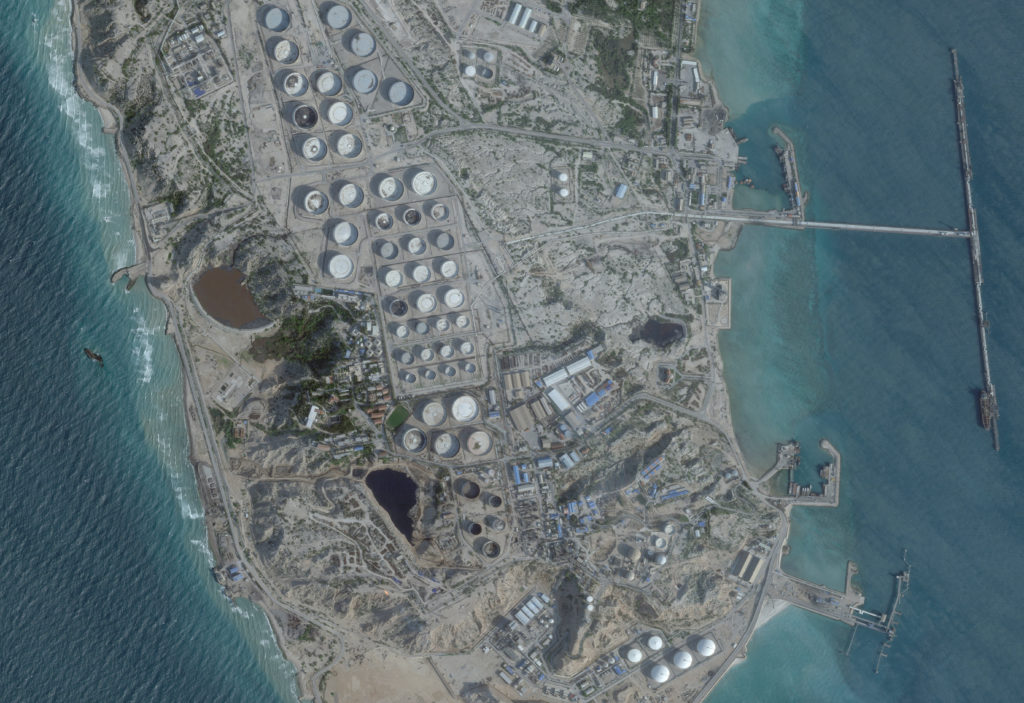
According to Reuters, U.S. officials have considered the logistical feasibility of deploying forces to secure the island.
However, military experts warn that such an operation would be extremely dangerous. Iran’s defensive capabilities—including drones, missiles, and naval forces—could turn the island into a high-risk battleground.
Despite these concerns, Trump has indicated flexibility, stating that multiple options remain on the table, including both occupation and destruction of key facilities.
Oil Markets Surge Amid Rising Tensions
The fact that Trump wants to take Iran’s oil as Tehran hits Kuwait has sent shockwaves through global commodity markets.
Oil prices surged sharply following the announcement, reflecting fears of supply disruptions across the Gulf region.
According to Bloomberg, crude prices jumped significantly as investors reacted to the threat of instability in the Strait of Hormuz.
The Strait of Hormuz is one of the most critical chokepoints in global energy supply, with a large percentage of the world’s oil shipments passing through it daily. Any disruption could have severe global economic consequences.
Diplomatic Fallout as Spain Takes a Stand
The escalating conflict has also created divisions among Western allies. Spain has taken a firm anti-war stance, announcing the closure of its airspace to U.S. military operations related to the conflict.
Spain’s defense minister, Margarita Robles, stated that the country would not support actions linked to the war, signaling growing discomfort among European nations.
According to BBC News, the move reflects broader concerns within Europe about the direction of U.S. foreign policy. This diplomatic friction highlights the widening gap between Washington and some of its traditional allies.
Kuwait Hit as Infrastructure Becomes a Target
While Washington discusses oil seizure, the battlefield has shifted dramatically. Reports indicate that Kuwait has been targeted in strikes affecting critical infrastructure.
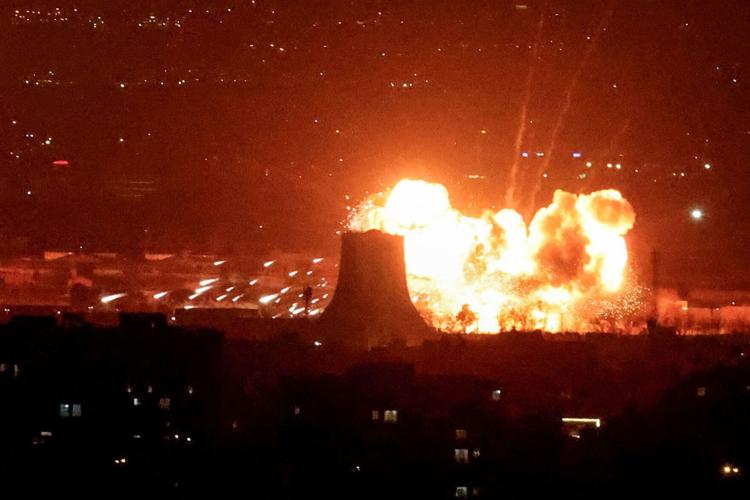
According to CNN, a power generation and desalination facility suffered damage in a recent attack. The strike reportedly caused casualties and raised alarm over the vulnerability of civilian utilities in modern warfare.
The Growing Threat to Water Security
The attack on Kuwait’s desalination infrastructure represents a significant escalation. In the Gulf region, desalination plants are essential for providing drinking water, making them critical national assets.
Experts warn that targeting such facilities could trigger humanitarian crises across the region. According to Al Jazeera, attacks on water infrastructure could have long-term consequences for millions of civilians.
Because Trump wants to take Iran’s oil as Tehran hits Kuwait, the war is increasingly affecting not just military targets, but the basic survival systems of entire populations.
U.S. Military Prepares for Possible Ground Operations
As tensions rise, the Pentagon is reportedly preparing for an extended conflict.
Reports from The Washington Post indicate that thousands of troops, including elements of the 82nd Airborne Division, have been deployed or placed on standby.
This buildup suggests that the U.S. is preparing for scenarios beyond airstrikes, including potential ground engagements tied to securing strategic assets.
Conflicting Signals on Diplomacy
Despite the escalating violence, mixed messages continue to emerge regarding diplomatic efforts. Donald Trump has claimed that Iran is open to negotiations, while officials in Iran deny any such talks.
According to The Guardian, these conflicting narratives have made it difficult to assess the true state of diplomacy.
The reported proposal includes strict conditions on Iran’s nuclear and missile programs, but no formal agreement has been confirmed.
Regional Escalation Intensifies
Adding to the complexity, Iran-aligned groups have entered the conflict. The Houthis have reportedly launched attacks against Israeli targets, widening the scope of the war.
According to Reuters, such developments increase the risk of a broader regional confrontation. This multi-front escalation makes a quick resolution increasingly unlikely.
YOU MAY LIKE:
Conclusion
The reality that Trump wants to take Iran’s oil as Tehran hits Kuwait underscores a dangerous turning point in modern warfare. What began as a targeted military campaign has evolved into a complex conflict involving economic strategy, infrastructure attacks, and shifting alliances.
With oil markets surging, civilian systems under threat, and diplomatic efforts faltering, the stakes have never been higher. The coming weeks will determine whether this conflict moves toward resolution or spirals into an even broader regional crisis.
For now, the world remains on edge—watching closely as decisions made in Washington, Tehran, and beyond reshape the geopolitical landscape in real time.
References
- Financial Times – Trump comments on Iran oil strategy
🔗 https://www.ft.com/world/middle-east - Reuters – Kharg Island and military considerations
🔗 https://www.reuters.com/world/middle-east/
Keep the Headlines Fresh!

Quality news takes time, effort, and a whole lot of coffee. If you value what we do at eKayNews, consider “buying a round” for the team!
-
Join the Inner Circle: Set up a custom subscription.
-
The Instant Jolt: Send a one-time “coffee” donation.
Why trust us? We use PayFast for 100% secure, encrypted transactions. Your data stays yours; the news stays ours.
To our amazing readers: You’re the reason we’re first on the scene. Thanks for being part of the family!
Feel the Pulse of the News with eKayNews!

Join the ever-growing eKayNews community and stay connected to the stories that matter. Follow us on Facebook, X, and WhatsApp for real-time updates, breaking news, and exclusive alerts straight to your feed. Your support keeps us digging deeper and sharing the news you can trust.
Stay Connected:
-
Facebook: [eKayNews on Facebook]
-
X (Twitter): [eKayNews on X]
-
WhatsApp: [Join the eKayNews WhatsApp Channel]
Become part of our inner circle and get instant news alerts as events unfold across South Africa and beyond!
Promote Your Brand with eKayNews
Looking to reach a wide, engaged audience? Explore our advertising packages:
-
Link Booster: 7 links to 7 articles over 7 days – R2,500
-
Permanent Feature: Sponsored blog article hosted permanently – R4,000
-
Prime Visibility: Home page banner ad for 30 days – R5,000
Don’t miss your chance to connect with our audience. Book your package today via email at info@ekaynews.co.za or WhatsApp us on +27710961185.
Be part of a platform where news meets community—stay informed, stay ahead, stay with eKayNews!