Donald Trump’s hopes for an Iran peace deal come with caveats in the Strait of Hormuz
Trump’s hopes for an Iran peace deal come with caveats, revealing the immense complexity and high-wire diplomatic tension currently gripping the Middle East. The United States recently sent a comprehensive 14-point peace proposal to Iran—delivered via Pakistani mediators—aimed at definitively ending the ongoing and economically devastating war. This interim framework seeks a phased, highly structured de-escalation of hostilities, including the gradual reopening of the Strait of Hormuz and the lifting of punishing US port blockades. In exchange, Washington is demanding strict limits on Iran’s nuclear program, offering the unfreezing of desperately needed Iranian assets as a primary incentive. However, as global markets hold their breath, the path to a lasting peace deal remains fraught with mixed signals, military threats, and deep-seated mistrust.
The 14-Point Peace Deal Proposal Between the US and Iran
The geopolitical landscape shifted dramatically when news broke of the 14-point proposal. This document represents one of the most significant diplomatic maneuvers by the Donald Trump administration in recent months. The framework is designed not as a permanent treaty immediately, but as an interim stepping stone to halt the immediate violence and create a secure environment for more complex negotiations.
Key details of the US proposal include:
-
Temporary Truce: The document outlines a short-term, one-page memorandum intended to immediately halt all military fighting. This truce is designed to trigger a critical 30-day window for detailed, high-level negotiations on thornier, long-term issues, most notably the nation’s nuclear policy and regional proxy influence.
-
Shipping & Trade: A central pillar of the proposal facilitates the gradual, secure reopening of the vital Strait of Hormuz. Concurrently, it offers the lifting of heavy American naval blockades on Iranian ports, a move that would immediately relieve the immense economic chokehold on Tehran.
-
Nuclear Constraints: Unsurprisingly, the United States seeks a strict moratorium on uranium enrichment. Furthermore, the proposal requires Iran to physically ship its existing highly enriched uranium stockpiles out of the country, neutralizing the immediate threat of weaponization.
Project Freedom: Donald Trump Pauses Military Escorts
The diplomatic back-and-forth was accelerated by Donald Trump‘s sudden decision to pause a short-lived military initiative known as “Project Freedom.” This ambitious, heavily armed operation was initially designed to forcibly guide and escort international commercial ships through the hazardous waters of the Strait of Hormuz.
Trump paused the operation, claiming that significant progress had been made towards clinching a “Complete and Final Agreement” with Iran. This sudden cessation of military escorts instantly soothed rattled global oil markets and sent hopes soaring that a genuine diplomatic breakthrough was imminent. For a brief moment, it appeared that the escalating brinkmanship had finally yielded to pragmatic statecraft.
Conflicting Signals: Why Trump’s hopes for an Iran peace deal come with caveats
But those soaring expectations were soon tempered by the US president himself. While Iran stated on Wednesday that it was carefully reviewing the new proposal from Washington—following reports from US media citing unnamed American officials that the two sides were closing in on a one-page memorandum to end the war in the Gulf—the narrative in Washington quickly fractured.
A source close to the diplomatic mediators in Pakistan told Reuters news agency with high confidence: “We will close this very soon. We are getting close.”
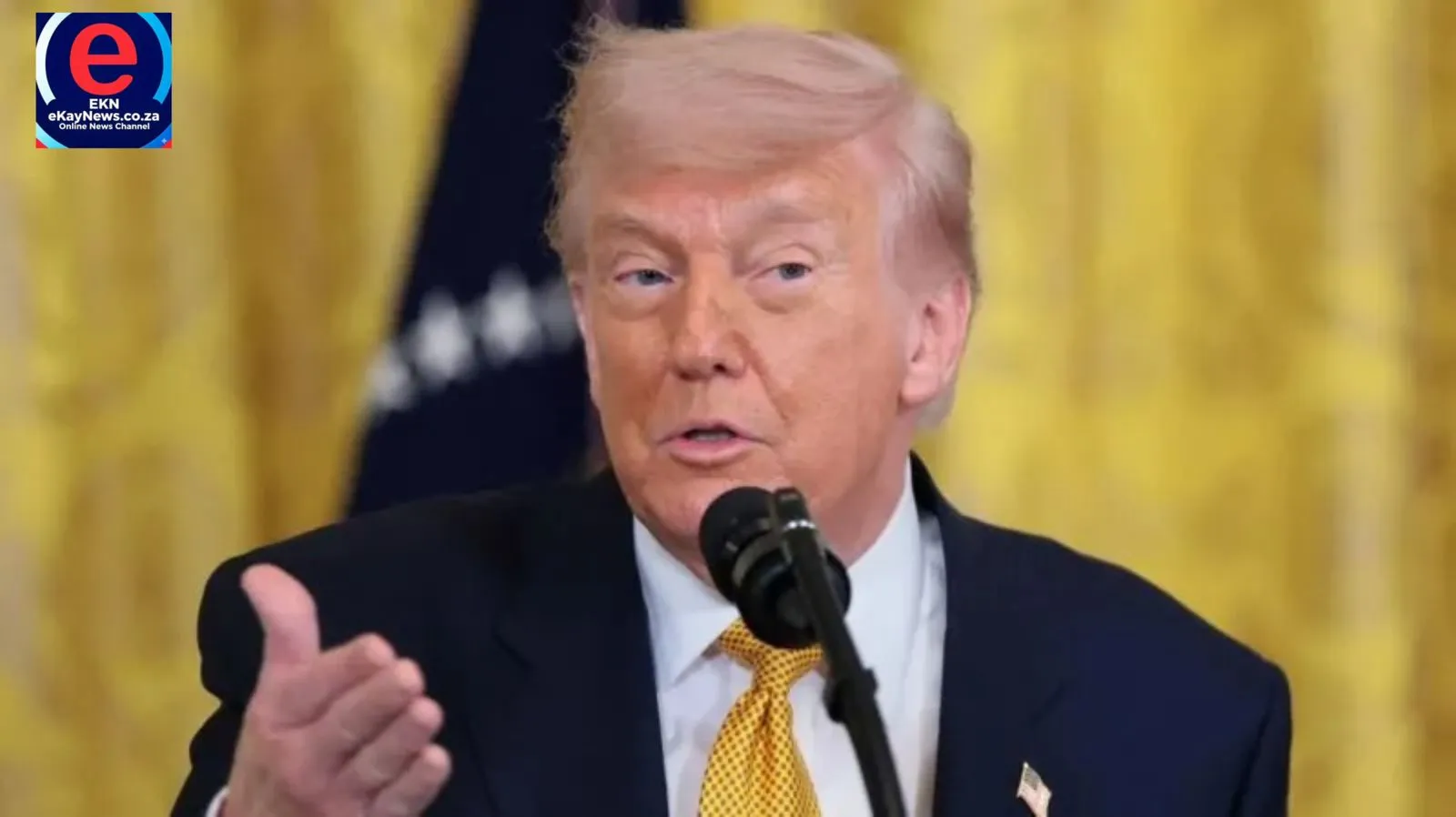
Yet, the optimism was abruptly punctured. Hours after posting on his social media platform, Truth Social, on Tuesday evening that he was actively suspending Project Freedom to see whether “the Agreement can be finalized and signed,” Donald Trump abruptly changed his tone. He stated on Wednesday morning that an Iran peace deal was a “big assumption.” Furthermore, he issued a chilling ultimatum: if an agreement was not reached, US bombing at “a much higher level and intensity than it was before” would immediately resume.
This aggressive threat came surprisingly less than 24 hours after US Secretary of State Marco Rubio stood at the White House and explicitly declared that Operation Epic Fury—the broader American-led military strikes on Iran—was effectively over.
Diplomatic Whiplash: Donald Trump on PBS
The diplomatic whiplash continued later on Wednesday morning. Donald Trump expressed a cautious, albeit heavily caveated, optimism during a brief telephone call with PBS regarding the peace deal, while openly acknowledging that such an agreement had previously proven incredibly elusive.
“I felt that way before with them,” Trump noted during the interview. “So we’ll see what happens.”
During the same conversation, Trump also told PBS that it was “unlikely” he would send official US envoys for a second round of face-to-face Iran peace talks in the Pakistani capital of Islamabad. This reluctance to commit senior personnel to direct negotiations underscores why Trump’s hopes for an Iran peace deal come with caveats; the administration appears willing to negotiate via intermediaries but remains hesitant to legitimize the process with direct, high-level diplomatic engagement until a deal is guaranteed.
Iran Reacts: Skepticism and the Threat of Escalation
While Washington wrestles with its own internal messaging, the reaction from Tehran has been equally complex. Axios and Reuters had concurrently reported that Washington and Tehran were inching closer to this one-page, 14-point memorandum to end the war. The plan reportedly aims to bring hostilities to a definitive close, followed by intense discussions to unblock the Strait of Hormuz, lift crippling economic sanctions, and permanently curb Iran’s nuclear ambitions.
However, Axios also accurately reported deep skepticism among some US officials regarding the viability of a peace deal, particularly questioning who within the highly fragmented factions of Iran’s leadership would even have the authority—or the political will—to approve such a sweeping agreement.
Those doubts were quickly validated by hardliners in Tehran. Iranian parliamentarian Ebrahim Rezaei, a prominent spokesperson for Iran’s National Security and Foreign Policy Commission, took to the social media platform X (formerly Twitter) to dismiss the 14 points reported by Axios. Rezaei bluntly characterized the proposal as nothing more than a US “wish list.”
He added a stark warning, noting that Iran “has its finger on the trigger and is ready” if the Americans do not “grant the necessary concessions.” This rhetoric highlights the immense domestic pressure Iranian negotiators face. Agreeing to ship highly enriched uranium out of the country while simultaneously appearing to bow to American military threats is a politically explosive proposition in Tehran.
Expert Analysis: The Frailty of the Peace Deal
In the United States, seasoned foreign policy experts injected a heavy dose of caution into the public discourse, reinforcing why Trump’s hopes for an Iran peace deal come with caveats.
“Clearly, the administration thinks a deal is possible, given the way they publicly rolled out Project Freedom only to suddenly pause it hours later,” Grant Rumley, a respected former Middle East policy adviser to both the Biden and Trump administrations, told the BBC in a recent interview.
“But we have been here before, and we’ve seen negotiations collapse at the last minute for a variety of reasons,” added Rumley, who is now a senior fellow at the Washington Institute for Near East Policy.
Indeed, Donald Trump has repeatedly suggested a comprehensive deal was tantalizingly close ever since an initial ceasefire was announced on April 7. On April 17, he confidently told CBS that Iran had “agreed to everything” and would allow the US to remove its enriched uranium—a sweeping claim that officials in Tehran rejected outright almost immediately.
Addressing the press in the White House on Wednesday, Trump again maintained his stance: “They want to make a deal, they want to negotiate.” He added with his trademark unpredictability, “And we’ll see whether or not they are agreeing.”
The Technical Reality of a Nuclear Agreement
Even if the elusive one-page memorandum is officially agreed upon and signed by both parties, Rumley noted that it is “highly unlikely” that it would solve all the deeply entrenched geopolitical issues overnight. This is particularly true given the highly technical and heavily scrutinized aspects of any agreement regarding Iran’s nuclear materials. History serves as a sobering reminder: during the Obama administration, it took over 20 months of grueling, highly technical diplomacy for the finer details of the Joint Comprehensive Plan of Action (JCPOA) on Iran’s nuclear program to be ironed out. Expecting a 30-day window to resolve similar complexities is viewed by many analysts as overly ambitious.
The Logistical Nightmare in the Strait of Hormuz
The physical realities on the water also cast a long shadow over the political negotiations. Shipping experts and maritime security analysts noted that Project Freedom, which was grandly announced on Sunday, actually had a very limited tangible impact during its brief opening hours, with only a tiny handful of commercial ships successfully passing through the heavily guarded strait.
Ali Vaez, the Iran project director for the International Crisis Group think tank, told the BBC that the aggressive Iranian response to the military operation—which allegedly included shooting at commercial ships and launching retaliatory attacks on regional targets in the UAE—probably persuaded Donald Trump that forced naval escorts were “not going to solve the problem.”
“There is no real policy process in this administration,” Vaez critically assessed. “The president makes decisions based on impulse more than process, therefore there are inconsistencies that happen all the time.”
The Real Reason Behind the Pause of Project Freedom?
Mick Mulroy, a former assistant undersecretary of defense for the Middle East at the Pentagon, suggested that any direct, causal link between pausing Project Freedom and the imminent signing of a possible peace deal remains exceptionally murky.
“It’s unclear if the pause in Project Freedom was because of this one-page memorandum or because the 1,500 ships currently stuck behind the [Strait of Hormuz] wouldn’t transit even with the US security umbrella,” Mulroy astutely pointed out. The sheer logistical backlog of vessels waiting for guaranteed safety is staggering, and commercial shipping companies are highly risk-averse. “Iran is likely trying to determine that as well,” he added.
YOU MAY LIKE:
Iran says strait of Hormuz could reopen after US pauses operation
What the Future Holds for Donald Trump and Iran
As the diplomatic clock ticks down on the proposed 30-day negotiation window, the entire globe is watching the Persian Gulf. The stakes could not be higher. A successful agreement would stabilize energy markets, pull the Middle East back from the brink of a catastrophic regional war, and provide Donald Trump with a massive foreign policy victory.
However, the reality of the situation is steeped in decades of mutual hostility. Trump’s hopes for an Iran peace deal come with caveats because the foundation of these negotiations is built on coercion rather than mutual trust. With thousands of ships idling outside the Strait of Hormuz, nuclear centrifuges at the center of the debate, and the constant threat of renewed, intensified bombing hanging in the air, the world waits to see if the 14-point plan will become a historic blueprint for peace, or just another discarded document in the long history of US-Iran conflict.
References
- Reuters – US and Iran move closer to interim Gulf ceasefire framework
- BBC News – Analysis of Donald Trump’s Iran negotiations and Gulf tensions
Kindly consider to support eKayNews, Buy Us a Coffee & Keep the News Flowing!

Love what we do? You can now support eKayNews directly! Your contributions empower us to deliver the breaking news, sports, and local updates you trust.
Ways to Support:
-
Subscribe: Choose any amount (cancel anytime).
-
Virtual Coffee: A quick, once-off donation to say thanks.
Note: Payments are 100% secure via PayFast. We never see your banking details.
To our amazing readers: Your support fills us with gratitude. You are the reason we can keep doing this every day. Thank you for being a vital part of the eKayNews family!
We’re feeling the love at eKayNews!

Facebook: [eKayNews on Facebook] X (Twitter): [eKayNews on X] WhatsApp: [Follow the eKayNews WhatsApp Channel] Join our inner circle for real-time news alerts!
📢 Advertising Packages on www.eKayNews.co.za
Package 1. Link Booster: We add 7 links to 7 articles over 7 days – R2,500
Package 2. Permanent Feature: Sponsored Blog Article (hosted permanently) – R4,000
Package 3. Prime Visibility: Home Page Banner Ad (30 days) – R5,000
Book now: Email info@ekaynews.co.za or WhatsApp us on +27710961185