Iran says US must accept peace plan or face ‘failure’
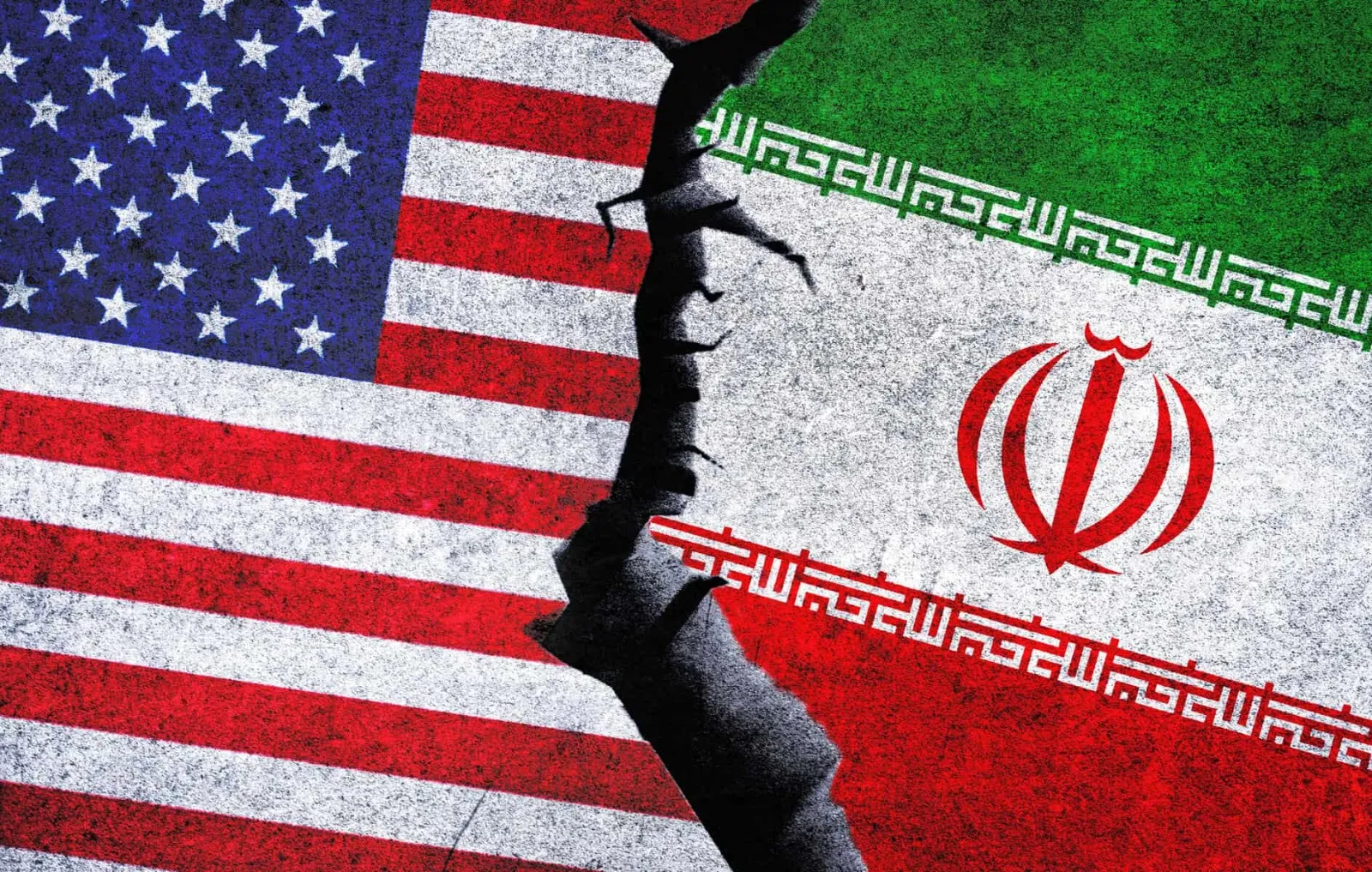
Iran says US must accept peace plan or face ‘failure’ as the diplomatic standoff between Tehran and Washington reaches a fever pitch. On Tuesday, Iran’s chief negotiator and Parliament Speaker, Mohammad Bagher Ghalibaf, issued a stark ultimatum to the United States, insisting that the only path out of the current conflict is the total adoption of Tehran’s 14-point proposal. This high-stakes rhetoric comes just hours after U.S. President Donald Trump warned that the existing ceasefire in the Middle East is “on life support” and potentially on the brink of total collapse.
The war, which erupted more than two months ago following a series of U.S.-Israeli strikes on Iranian soil, has rapidly transformed from a localized exchange into a regional conflagration that has roiled the global economy. Despite the temporary truce established on April 17, the situation remains incredibly volatile. Both sides have dug in their heels, refusing to make the necessary concessions to turn a fragile truce into a lasting peace plan.
“There is no alternative but to accept the rights of the Iranian people as laid out in the 14-point proposal,” Ghalibaf stated in a widely circulated post on X. “Any other approach will be completely inconclusive; nothing but one failure after another. The longer they drag their feet, the more American taxpayers will pay for it.”
The Middle East Crisis: A Fragile Ceasefire on the Edge
The current ceasefire was intended to provide a humanitarian window and a platform for negotiations, but it has instead become a period of rearmament and verbal warfare. In a show of defiance that has rattled international observers, Iran’s Revolutionary Guards (IRGC) announced on Tuesday that they have commenced large-scale military drills in and around Tehran. These exercises are reportedly aimed at “enhancing combat capability to confront any movement of the American-Zionist enemy.”
While the military drills continue, the war of words has reached a crescendo. President Trump, never one for understated diplomacy, slammed Tehran’s latest counter-offer as “TOTALLY UNACCEPTABLE.” Trump has maintained a posture of “complete victory,” suggesting that the U.S. is prepared to resume all-out hostilities if the Strait of Hormuz is not reopened to commercial traffic immediately.
For the people on the ground, the reality is far less about grand strategy and more about basic survival. Maryam, a 43-year-old painter living in Tehran, described the psychological toll to eKayNews: “We are just trying to dig our nails into anything that could help us survive. The future is so uncertain and we are just living day to day. Keeping hope is very difficult right now.” Her sentiment is echoed across the Middle East, where hundreds of millions of people are living under the shadow of a war that shows no sign of a clean resolution.
The Battle for the Strait of Hormuz and Global Energy Stability
Perhaps the most dangerous aspect of the current deadlock is the maritime standoff. Iran says US must accept peace plan or face ‘failure’ specifically because Tehran knows it holds a major card: the Strait of Hormuz. By restricting maritime traffic and implementing a controversial toll-payment mechanism for crossing ships, Iran has effectively weaponized one of the world’s most vital energy arteries.
The economic consequences have been nothing short of staggering. Amin Nasser, CEO and President of the Saudi oil giant Aramco, warned investors on Tuesday that “the energy supply shock that began in the first quarter is the largest the world has ever experienced.” With the waterway carrying roughly 20% of the world’s oil and liquefied natural gas, the bottleneck has sent prices skyrocketing and disrupted global supply chains.
The maritime tension has also created a looming humanitarian disaster:
-
Fertiliser Shortage: Much of the world’s fertiliser supply passes through Gulf ports. The blockade is threatening the upcoming planting seasons in multiple hemispheres.
-
Food Insecurity: Jorge Moreira da Silva, executive director of the United Nations Office for Project Services (UNOPS), warned that the world has only “a few weeks” to avoid a crisis that could force an additional 45 million people into hunger.
-
Regional Pressure: Qatari Foreign Minister Sheikh Mohammed bin Abdulrahman Al Thani has urged Tehran not to use the strait as a “weapon to pressure or blackmail” neighboring Gulf countries.
In response, Trump told Fox News that he is considering reviving a U.S. operation to actively escort oil tankers through the strait, a move that would almost certainly lead to direct naval engagements and the end of any remaining ceasefire.
Iran’s 14-Point Proposal vs. the US Peace Plan
The diplomatic disconnect centers on two very different visions for the future. While the U.S. has proposed a relatively slim, one-page memorandum of understanding focused on ending the fighting and freezing Iran’s nuclear program, Tehran’s peace plan is far more expansive.
| Tehran’s 14-Point Key Demands | U.S. Counter-Position |
| End war on all fronts (including Lebanon) | Focused specifically on the Iran-Israel border. |
| Halt US Naval Blockade | Insists on “freedom of navigation” first. |
| Release Frozen Assets | Assets tied to nuclear compliance and human rights. |
| Resumption of Oil Sales | Linked to a new, stricter nuclear agreement. |
| No Further Attacks Guarantee | “All options remain on the table.” |
Because Iran says US must accept peace plan or face ‘failure’, they are essentially demanding a total removal of the “Maximum Pressure” architecture before a single centrifuge is stopped. Washington, conversely, views Tehran’s demands as an attempt to “win at the negotiating table what they couldn’t win on the battlefield.”
Humanitarian Stakes and the Risk of “Massive Failure”
The regional fallout of this deadlock is extending far beyond the borders of Iran. In a startling revelation on Tuesday, the U.S. Ambassador to Israel, Mike Huckabee, confirmed that Israel has deployed Iron Dome air defense batteries to the United Arab Emirates (UAE). This move highlights how the Middle East has become a patchwork of shifting alliances, with the UAE being targeted more than almost any other country by Iranian-aligned proxies during this conflict.
Meanwhile, on the Lebanon front, the ceasefire is a name only. Israeli strikes on southern Lebanese towns killed six people on Tuesday, as the IDF continues to trade fire with Hezbollah. Hezbollah chief Naim Qassem has remained defiant, stating that his group’s weapons are “not part of any negotiations” and vowing to turn the battlefield into “hell for Israel” if the conflict resumes in full.
This escalating “battlefield hell” is exactly what the UN and other international bodies are trying to prevent. However, as long as the rhetoric remains so binary—with Trump demanding “complete victory” and Tehran insisting that the US must accept peace plan or face ‘failure’—the space for a middle ground is vanishing.
YOU MAY LIKE:
Conclusion: The Road to failure or the Road to Peace?
As we move deeper into May 2026, the world remains on edge. The Middle East is currently a powder keg with a very short fuse. The 14-point proposal from Tehran represents a significant challenge to U.S. foreign policy, one that the Trump administration seems unwilling to entertain.
Iran says US must accept peace plan or face ‘failure’, but for the millions of people caught in the crossfire—from the painters in Tehran to the farmers in the Global South waiting for fertiliser—any outcome that results in a return to all-out war is already a failure. eKayNews will continue to monitor the Strait of Hormuz and the diplomatic corridors of Doha and Washington as this crisis evolves.
For now, the ceasefire holds by a thread, but as the IRGC drills and the Iron Dome deployments suggest, everyone is preparing for the possibility that the thread is about to snap.
References
-
Arab News
-
PBS NewsHour
Kindly consider to support eKayNews, Buy Us a Coffee & Keep the News Flowing!

Love what we do? You can now support eKayNews directly! Your contributions empower us to deliver the breaking news, sports, and local updates you trust.
Ways to Support:
-
Subscribe: Choose any amount (cancel anytime).
-
Virtual Coffee: A quick, once-off donation to say thanks.
Note: Payments are 100% secure via PayFast. We never see your banking details.
To our amazing readers: Your support fills us with gratitude. You are the reason we can keep doing this every day. Thank you for being a vital part of the eKayNews family!
We’re feeling the love at eKayNews!

Facebook: [eKayNews on Facebook] X (Twitter): [eKayNews on X] WhatsApp: [Follow the eKayNews WhatsApp Channel] Join our inner circle for real-time news alerts!
📢 Advertising Packages on www.eKayNews.co.za
Package 1. Link Booster: We add 7 links to 7 articles over 7 days – R2,500
Package 2. Permanent Feature: Sponsored Blog Article (hosted permanently) – R4,000
Package 3. Prime Visibility: Home Page Banner Ad (30 days) – R5,000
Book now: Email info@ekaynews.co.za or WhatsApp us on +27710961185