Israel to ramp up Iran strikes as Trump mulls wind down
Israel to ramp up Iran strikes as Trump mulls wind down of United States involvement has triggered fresh uncertainty across global markets and diplomatic circles. The latest developments highlight a widening gap between Israel and the United States, two long-standing allies navigating a rapidly evolving conflict with Iran.
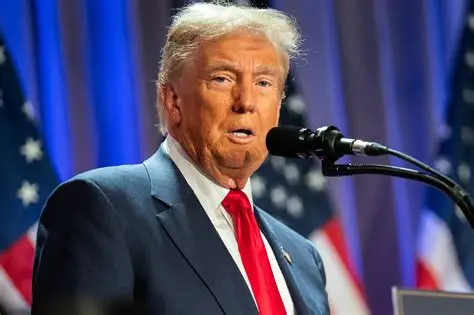
On March 20, 2026, Donald Trump signaled a potential reduction in US military engagement. Meanwhile, Israeli leaders indicated they would intensify strikes, setting the stage for a potentially dangerous divergence in strategy.
Trump signals wind down amid economic strain
The statement from Trump came at a time of mounting economic pressure. Rising oil prices have already begun affecting global economies, including the US.
The Dow Jones Industrial Average recorded noticeable declines as energy costs surged. High fuel prices often ripple across industries, increasing transport and production costs.
Trump linked the downturn directly to prolonged military engagement in the Middle East. As a result, his comments about a possible withdrawal reflect both political and economic considerations.
However, the timing raised eyebrows. Only days earlier, Washington approved additional troop deployments and naval reinforcements to the region. Furthermore, the administration requested nearly $200 billion from Congress to sustain operations.
This contrast suggests internal divisions between the White House and defense leadership.
Israel vows to escalate military operations
In contrast, Israel has taken a more aggressive stance. Officials in Jerusalem have made it clear that any US withdrawal will not slow their campaign.
Instead, Israel plans to ramp up strikes targeting Iranian military infrastructure. These include missile systems and facilities linked to nuclear development.
For Israeli leadership, the threat posed by Iran remains existential. Therefore, decision-makers appear willing to act independently if necessary.
This raises the likelihood of unilateral military action, which could further destabilize the region.
Strait of Hormuz: a global pressure point
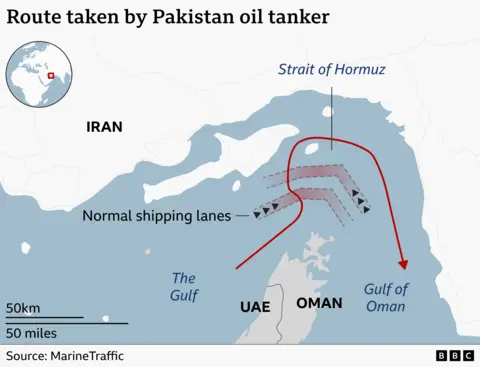
The Strait of Hormuz remains central to the crisis. Nearly a fifth of the world’s oil supply passes through this narrow waterway.
Any disruption could trigger:
- Sharp increases in oil prices
- Supply chain delays
- Global inflation spikes
Trump’s stance on the Strait has been inconsistent. At times, he has suggested the US can manage the route alone. At other moments, he has criticized allies for not contributing enough.
If the US reduces its presence, responsibility for securing the Strait may shift to regional powers or international coalitions.
Global economic ripple effects
The impact of the situation is already spreading far beyond the Middle East. Countries like South Africa are feeling the pressure.
Higher oil prices translate into:
- Increased fuel costs
- Rising food prices
- Currency volatility
The South African Rand has shown signs of weakness as investors react to global uncertainty.
Economists warn that prolonged instability could push the global economy toward recession if energy markets remain disrupted.
Pentagon vs White House: a divided strategy
A major concern is the apparent disconnect within the US government. While Trump considers a wind down, the Pentagon continues preparing for extended engagement.
The $200 billion funding request underscores expectations of a long-term conflict. This dual approach creates confusion for allies and adversaries alike.
For countries such as the United Kingdom, which recently supported US operations, uncertainty complicates strategic planning.
Rising risk of regional escalation
The possibility that Israel will intensify strikes without full US backing increases the risk of a broader war.
Potential consequences include:
- Direct military confrontation between Israel and Iran
- Retaliatory attacks across the region
- Disruption of global shipping routes
If Iran responds forcefully, the conflict could quickly expand beyond its current scope.
Market uncertainty and investor anxiety
Financial markets thrive on stability. However, the current situation has introduced significant volatility.
Investors are closely watching:
- Oil price movements
- Military developments
- Diplomatic signals from Washington and Jerusalem
The lack of a unified strategy adds to uncertainty, making it difficult for markets to predict future trends.
YOU MAY LIKE:
Conclusion: a fragile and uncertain path forward
Israel to ramp up Iran strikes as Trump mulls wind down reflects a critical turning point in global geopolitics. The divergence between US and Israeli strategies creates a complex and potentially dangerous situation.
On one hand, the US appears ready to scale back involvement due to economic pressures. On the other, Israel is preparing to intensify military operations.
The outcome will shape:
- The future of the Middle East
- Global energy markets
- Economic stability worldwide
As tensions rise, the international community remains on high alert. The coming days will determine whether diplomacy can prevail—or whether the region moves closer to a wider conflict.
References (Mainstream Media with Links)
- Reuters – Israel signals expanded strikes amid Iran tensions
- BBC News – Strait of Hormuz and global oil importance explained
Keep the Headlines Fresh!

Quality news takes time, effort, and a whole lot of coffee. If you value what we do at eKayNews, consider “buying a round” for the team!
-
Join the Inner Circle: Set up a custom subscription.
-
The Instant Jolt: Send a one-time “coffee” donation.
Why trust us? We use PayFast for 100% secure, encrypted transactions. Your data stays yours; the news stays ours.
To our amazing readers: You’re the reason we’re first on the scene. Thanks for being part of the family!
Feel the Pulse of the News with eKayNews!

Join the ever-growing eKayNews community and stay connected to the stories that matter. Follow us on Facebook, X, and WhatsApp for real-time updates, breaking news, and exclusive alerts straight to your feed. Your support keeps us digging deeper and sharing the news you can trust.
Stay Connected:
-
Facebook: [eKayNews on Facebook]
-
X (Twitter): [eKayNews on X]
-
WhatsApp: [Join the eKayNews WhatsApp Channel]
Become part of our inner circle and get instant news alerts as events unfold across South Africa and beyond!
Promote Your Brand with eKayNews
Looking to reach a wide, engaged audience? Explore our advertising packages:
-
Link Booster: 7 links to 7 articles over 7 days – R2,500
-
Permanent Feature: Sponsored blog article hosted permanently – R4,000
-
Prime Visibility: Home page banner ad for 30 days – R5,000
Don’t miss your chance to connect with our audience. Book your package today via email at info@ekaynews.co.za or WhatsApp us on +27710961185.
Be part of a platform where news meets community—stay informed, stay ahead, stay with eKayNews!