Nigeria wants to stop new SA businesses permits over xenophobia
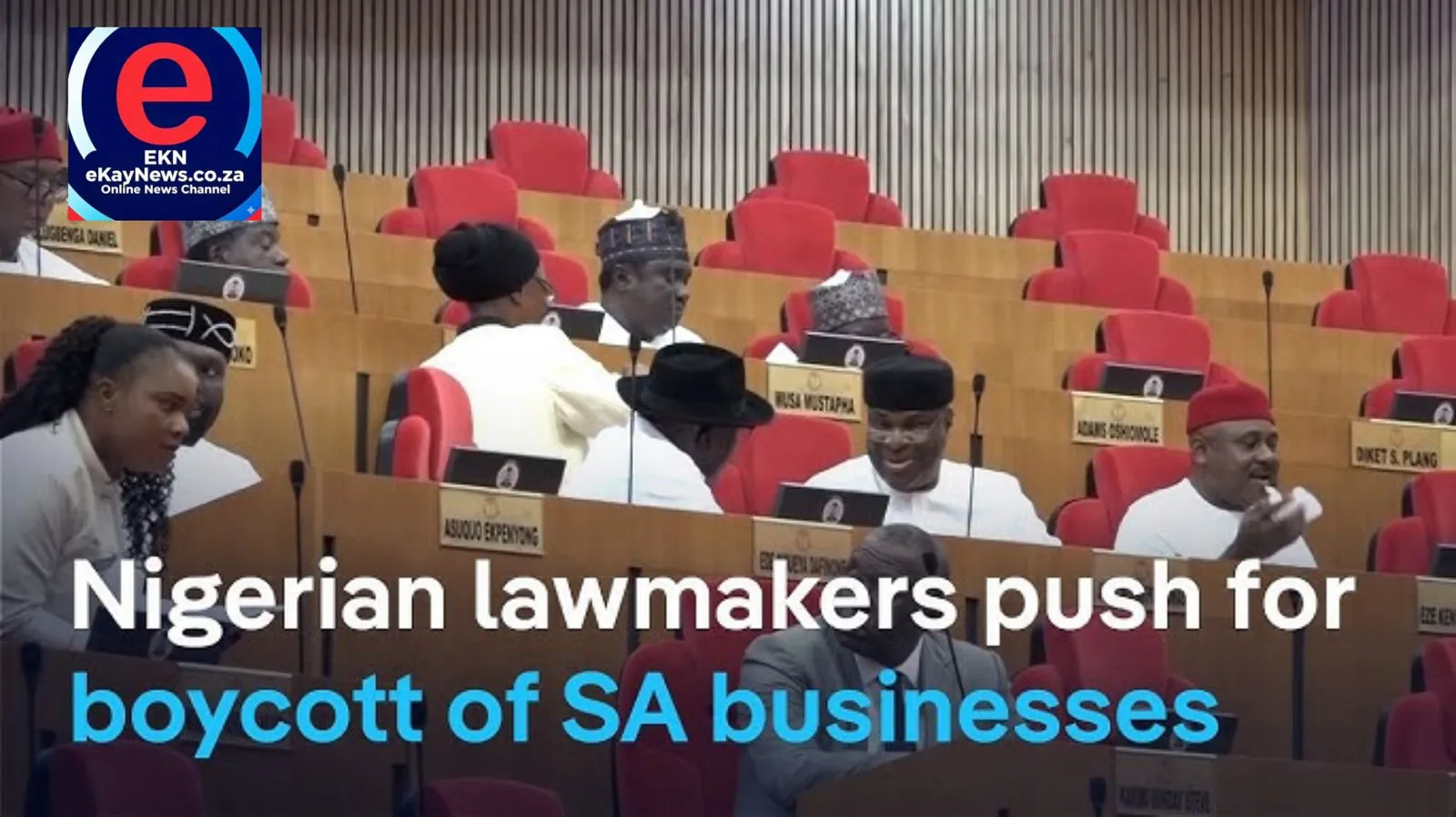
Nigeria wants to stop new SA businesses permits over xenophobia, a move that signals a seismic shift in the diplomatic and economic relationship between Africa’s two largest powerhouses. In a heated plenary session in May 2026, the Nigerian House of Representatives officially called upon the federal government to freeze the issuance of all new operating licenses to South African entities. This legislative firestorm is a direct retaliatory response to a renewed and brutal surge of xenophobia in South Africa, where Nigerian nationals have increasingly become targets of mob violence, harassment, and targeted killings.
For decades, the “Giant of Africa” and the “Rainbow Nation” have maintained a complex, competitive, yet ultimately symbiotic partnership. However, as 2026 unfolds, the patience of Nigerian lawmakers has reached its breaking point. The resolution adopted by the House doesn’t just stop at new business permits; it calls for a comprehensive review of existing tax incentives and a potential suspension of bilateral trade and aviation agreements.
The Legislative Ultimatum: Targeting Economic Giants
The motion, presented by lawmakers Donald Ojogo and Billy Osawaru, was born out of a sense of “urgent national importance.” The House has directed the Ministry of Foreign Affairs to engage South African authorities with an ultimatum: provide “demonstrable protection” for Nigerians or face a systematic dismantling of South African economic interests in Nigeria.
The proposed sanctions are specifically designed to hit where it hurts most—the bottom line of major corporations. Multinational giants like MTN and DStv (MultiChoice), which enjoy massive market shares in Nigeria, are now finding their operating licenses under the microscope.
Why MTN and DStv are in the Crosshairs
-
MTN: As the largest telecommunications provider in Nigeria, MTN is often viewed as the crown jewel of South African investment. Lawmakers argue that the revenue generated from Nigerian consumers should not flow into a country where those same consumers are being dehumanized.
-
DStv: The satellite giant has a near-monopoly on premium content in Nigeria. Legislators have proposed that a review or suspension of their license would serve as a powerful symbolic and economic message to Pretoria.
The Human Cost: A Weekly Toll of Violence
The statistics presented to the House were nothing short of harrowing. Reports indicate that over 118 Nigerians have been killed in South Africa over the past two years. Even more disturbing is the current trend suggesting that, on average, one Nigerian is killed every single week due to xenophobia.
Names like Ekpenyong Andrew and Amaramiro Emmanuel were read into the legislative record—names of men reportedly killed in separate incidents linked to the unrest. Deputy Speaker Benjamin Kalu described these attacks as a “betrayal of African solidarity,” noting that the violence risks undermining decades of regional cooperation and the spirit of the African Continental Free Trade Area (AfCFTA).
Adams Oshiomhole’s “Hit Back” Diplomacy
Perhaps the most aggressive stance came from the Senate, where Senator Adams Oshiomhole did not mince words. During a plenary discussion, Oshiomhole advocated for a policy of direct reciprocity—a “tit-for-tat” approach to international relations.
“I am not going to shed tears. If you hit me, I hit you. I think it is appropriate in diplomacy. It is an economic struggle,” Oshiomhole declared.
He argued that Nigeria must move beyond “diplomatic niceties” and utilize its market size as a weapon. By revoking the business permits of firms like MTN and DStv, Oshiomhole believes Nigeria can force the South African government to move beyond mere “condemnations” of violence and toward actual prosecutions of the perpetrators.
The Economic Tightrope: Risks of Retaliation
While the political will to punish South Africa is at an all-time high, some economic experts are waving red flags. The Center for the Promotion of Private Enterprise (CPPE) has cautioned that Nigeria must be careful not to “cut its nose to spite its face.”
The CPPE pointed out that while these companies are South African-owned, their operations in Nigeria employ tens of thousands of Nigerian citizens. Furthermore, many Nigerian pension funds and private investors hold significant stakes in MTN Nigeria. A blanket ban on new business permits or a revocation of existing ones could inadvertently trigger a localized economic shock, leading to job losses and a decline in investor confidence within the Nigerian tech and media sectors.
Diplomatic Strains: Summoning the High Commissioner
In May 2026, the Nigerian Foreign Ministry took the formal step of summoning the South African High Commissioner to Abuja. The meeting was described as “tense,” with Nigerian officials conveying “profound concern” over the viral videos circulating on social media showing Nigerians being beaten during anti-immigrant protests in Johannesburg and Pretoria.
This diplomatic friction isn’t isolated to Nigeria. Ghana has also lodged a formal complaint after its citizens were verbally and physically attacked by anti-immigrant groups. The collective pushback from West Africa suggests that South Africa is facing a regional credibility crisis.
Ramaphosa’s Response and the Ghost of Apartheid
President Cyril Ramaphosa has attempted to calm the waters by reminding his citizens of the historical debt owed to the rest of the continent. During a recent address, he noted that African neighbors were vital in supporting the anti-apartheid struggle, providing refuge and resources to ANC leaders in exile.
However, for many Nigerians living in South Africa, these historical reminders offer little protection from the immediate reality of xenophobia. Protesters in South Africa often cite unemployment and poor government services as reasons for their anger, frequently scapegoating foreign nationals for systemic domestic failures.
The Role of the Pan-African Parliament
With the situation evolving rapidly, there are growing calls for the Pan-African Parliament to intervene. Nigerian lawmakers have urged the continental body to move beyond toothless resolutions and implement a framework for the protection of migrants.
The House of Representatives has also urged the federal government to prepare evacuation plans. For Nigerians who feel they are no longer safe in the “Rainbow Nation,” the government is being asked to provide financial and logistical support to bring them home.
YOU MAY LIKE:
Conclusion: A Turning Point for African Unity
As Nigeria wants to stop new SA businesses permits over xenophobia, the continent stands at a crossroads. The dream of a borderless, integrated Africa seems further away than ever when the two most influential nations are locked in a cycle of violence and economic retaliation.
The move to target business permits and established giants like MTN and DStv is a high-stakes gamble. It is a demand for respect, safety, and the basic human right to live and work without fear. Whether Pretoria can rise to the challenge and secure its foreign residents remains to be seen. If not, the “economic struggle” Senator Oshiomhole spoke of may define the next decade of Africa’s geopolitical landscape.
Mainstream Media References
- BBC News – South Africa xenophobic violence against foreign nationals explained
- Reuters – Nigeria summons South African envoy over attacks on Nigerians
Kindly consider to support eKayNews, Buy Us a Coffee & Keep the News Flowing!

Love what we do? You can now support eKayNews directly! Your contributions empower us to deliver the breaking news, sports, and local updates you trust.
Ways to Support:
-
Subscribe: Choose any amount (cancel anytime).
-
Virtual Coffee: A quick, once-off donation to say thanks.
Note: Payments are 100% secure via PayFast. We never see your banking details.
To our amazing readers: Your support fills us with gratitude. You are the reason we can keep doing this every day. Thank you for being a vital part of the eKayNews family!
We’re feeling the love at eKayNews!

Facebook: [eKayNews on Facebook] X (Twitter): [eKayNews on X] WhatsApp: [Follow the eKayNews WhatsApp Channel] Join our inner circle for real-time news alerts!
📢 Advertising Packages on www.eKayNews.co.za
Package 1. Link Booster: We add 7 links to 7 articles over 7 days – R2,500
Package 2. Permanent Feature: Sponsored Blog Article (hosted permanently) – R4,000
Package 3. Prime Visibility: Home Page Banner Ad (30 days) – R5,000
Book now: Email info@ekaynews.co.za or WhatsApp us on +27710961185