Over 77 000 foreign nationals repatriated from South Africa
Over 77 000 foreign nationals repatriated as South African authorities intensify immigration enforcement operations targeting undocumented migrants, with thousands formally deported and repatriation centres being scaled down.
The latest figures highlight the scale of South Africa’s ongoing efforts to enforce immigration laws while managing the movement of undocumented foreign nationals through the country’s deportation and repatriation system.
Authorities say the operations are being conducted in coordination with various government departments, foreign missions and other stakeholders, with a continued emphasis on ensuring that enforcement remains lawful and humane.
Over 77,000 foreign nationals repatriated
Authorities have reported that Over 77 000 foreign nationals repatriated during ongoing immigration enforcement operations across South Africa.
The figure represents a major development in the government’s efforts to address undocumented migration and strengthen compliance with the country’s immigration legislation.
Deputy National Commissioner for Policing Tebello Mosikili provided an update on the enforcement campaign, outlining progress made between April and July 2026.
According to the information provided, 18,816 undocumented migrants were formally deported between 1 April and 31 July 2026.
The broader repatriation figure reflects the scale of the coordinated enforcement programme, while the formal deportation number represents individuals processed through the deportation system during the specified period.
The authorities’ latest update comes amid continued government efforts to identify, detain and repatriate people who do not have the necessary documentation to remain in South Africa.
Undocumented migrants South Africa
The issue of undocumented migrants South Africa remains a major focus of the government’s immigration enforcement strategy.
Authorities have repeatedly stated that immigration laws must be enforced while ensuring that people subjected to enforcement procedures are treated within the requirements of the law.
Mosikili said government would continue enforcing immigration legislation while ensuring that enforcement measures remained lawful and humane.
This approach is intended to balance the government’s responsibility to manage the country’s borders with constitutional and legal obligations concerning the treatment of people undergoing immigration processes.
The latest operations involve cooperation between different government departments, foreign diplomatic missions and other stakeholders.
Such cooperation is important because the repatriation of undocumented foreign nationals often requires authorities to establish a person’s identity, confirm their nationality and coordinate travel arrangements with the relevant country.
Foreign missions can also play a role in facilitating documentation where individuals do not have valid travel documents.
Immigration enforcement operations intensify
The latest figures come as immigration enforcement operations continue to be intensified across the country.
Law enforcement agencies have been working to identify people who are allegedly in South Africa without the documentation required under immigration legislation.
Once individuals are identified, authorities may follow different processes depending on their circumstances and legal status.
Those who are subject to deportation can be held at designated repatriation facilities while the necessary arrangements are made.
The government has described the latest progress as part of a coordinated operation rather than the responsibility of a single institution.
According to Mosikili, the programme has involved collaboration between relevant government departments, foreign missions and stakeholders.
He said the operation had been carried out in an orderly, humane and lawful manner.
This emphasis on legality is significant because immigration enforcement can involve detention, deportation and interactions with people from different countries and backgrounds.
Authorities are therefore expected to operate within South Africa’s immigration laws and other applicable legal safeguards.
Lindela Repatriation Centre processes thousands
The Lindela Repatriation Centre remains one of the facilities associated with the processing of undocumented migrants awaiting deportation.
The latest information indicates that just over 3,000 people remained at Lindela awaiting deportation at the time of the update.
The authorities’ broader repatriation campaign has also resulted in changes at other facilities.
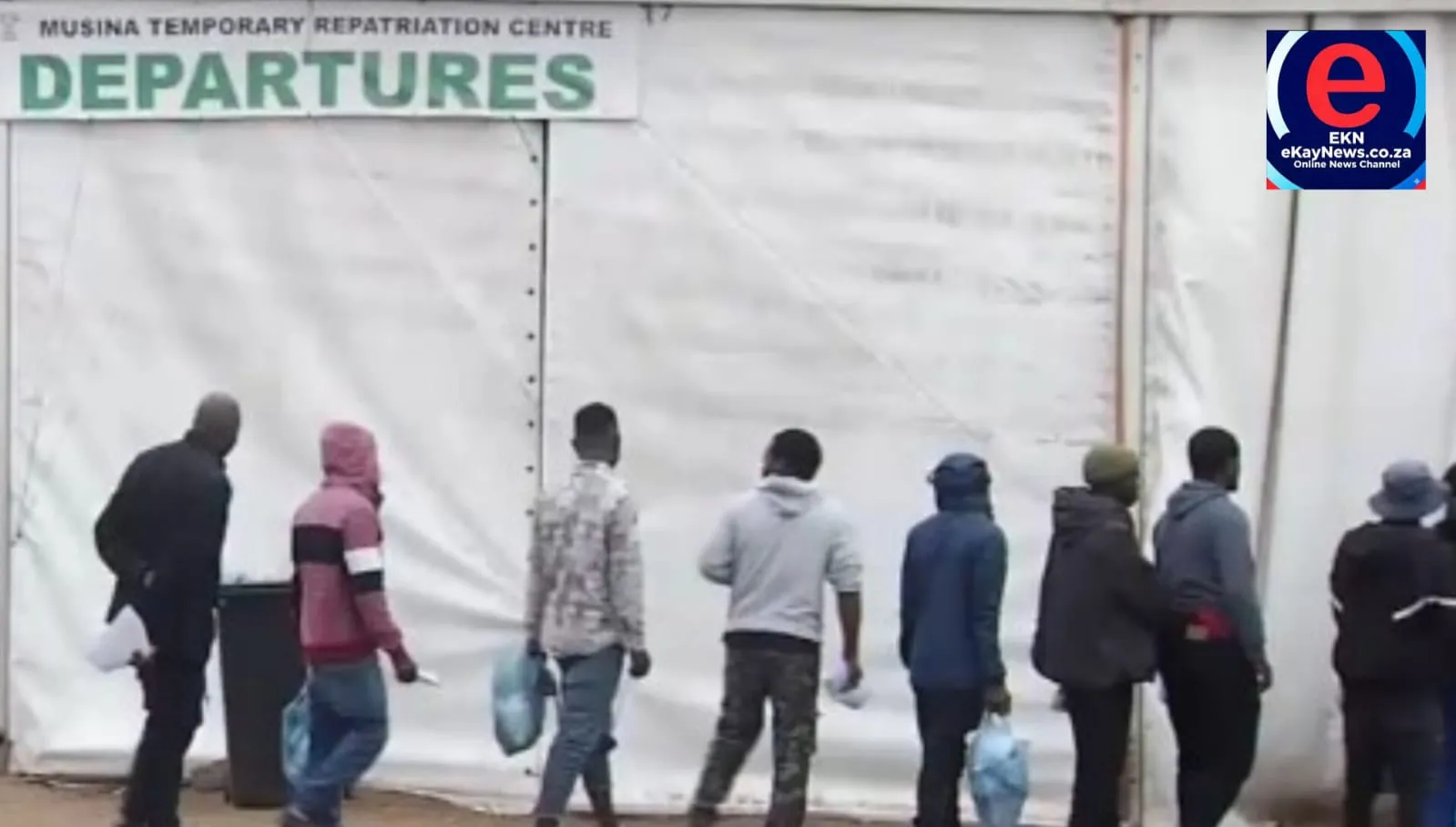
Mosikili said the progress made in repatriating thousands of undocumented migrants had allowed authorities to begin demobilising the Repatriation Centre in Musina.
He reported that just over 500 individuals remained at that centre and were expected to be repatriated to their respective countries in the coming days.
The reduction in the number of people being held at the facility was presented as an indication of progress in the government’s coordinated enforcement operation.
The process of repatriation, however, requires more than simply transporting individuals across a border.
Authorities must coordinate with relevant countries and ensure that appropriate arrangements are made for people who are being returned.
South Africa deportations continue
The latest figures demonstrate the continuing scale of South Africa deportations.
Between April and July, authorities formally deported 18,816 undocumented migrants, according to the information provided by Mosikili.
Deportation forms part of the government’s broader immigration enforcement responsibilities where individuals are found to be unlawfully in the country and are legally subject to removal.
The government has increasingly focused on strengthening border management and immigration enforcement as it seeks to address undocumented migration.
However, the authorities have also stressed that enforcement should be conducted in a manner that respects the law.
This means that immigration enforcement operations must distinguish between different categories of migrants and ensure that individuals are processed according to their specific circumstances.
Repatriation centres under pressure
Repatriation centres play an important role in the deportation system because individuals cannot always be removed immediately after being detained.
There may be administrative requirements, identity verification processes, travel arrangements and communication with foreign authorities before a person can be repatriated.
Large numbers of people awaiting deportation can place pressure on facilities and government resources.
The reduction in the number of people held at the Musina facility therefore represents an operational development for authorities.
Mosikili’s comments suggest that officials believe the progress made through the broader enforcement campaign has allowed the facility to begin scaling down its operations.
The government will nevertheless continue to monitor immigration enforcement requirements as new cases arise.
Government promises lawful and humane enforcement
While the government’s immigration enforcement campaign has produced significant numbers, authorities have stressed that enforcement must remain within the law.
Mosikili said government would continue enforcing immigration legislation while ensuring that enforcement measures remained lawful and humane.
This commitment is particularly important as South Africa continues dealing with complex immigration pressures.
Effective immigration management requires both enforcement and functioning administrative systems capable of processing people efficiently.
It also requires cooperation with countries whose nationals are being repatriated.
The involvement of foreign missions can help authorities resolve nationality and documentation issues and facilitate the safe return of individuals.
What happens next?
The latest update indicates that immigration enforcement operations will continue.
Authorities are expected to maintain efforts to identify undocumented migrants, process those who are legally subject to deportation and coordinate repatriation arrangements.
The remaining individuals at repatriation facilities will also continue to be processed for return to their respective countries.
The government is likely to face continued scrutiny over how immigration enforcement is conducted, particularly regarding detention conditions, due process and the treatment of vulnerable individuals.
For authorities, maintaining a balance between immigration control and legal obligations will remain critical.
YOU MAY LIKE:
A major immigration enforcement milestone
Over 77 000 foreign nationals repatriated is a significant figure in the government’s ongoing immigration enforcement campaign.
The latest update shows that thousands of undocumented migrants have been formally deported, while repatriation facilities continue processing people awaiting removal.
The reported reduction in the number of people held at the Musina facility has also allowed authorities to begin demobilising the centre.
As South Africa continues its immigration enforcement programme, government says its approach will remain focused on enforcing immigration legislation while ensuring that operations are conducted lawfully, humanely and in cooperation with relevant departments and foreign missions.
References from mainstream media
- SABC News – Immigration enforcement and deportations
- News24 – South Africa immigration and deportation coverage
- IOL – South Africa immigration and repatriation news
- TimesLIVE – Immigration enforcement and deportation reports
- Daily Maverick – South Africa immigration and government reporting
Support Independent Journalism with eKayNews! 📰✨

At eKayNews, we are dedicated to bringing you honest, independent, and reliable news. But we can’t do it alone—independent journalism relies on the strength and generosity of its community.
If you value our work, please consider supporting us today! You can help keep us going by choosing a subscription or simply buying us a one-off virtual coffee:
👉 Support us here: ekaynews.co.za/subscribe-form/
You can also support our mission by visiting our main site at www.ekaynews.co.za and following @eKayNews on all social media platforms.
Thank you so much for your incredible generosity and for being part of our journey! 🙏💙