Similarities Between Hector and NUP Supporter Iconic Images highlight the enduring struggle for freedom, equality, and justice across generations.
Similarities Between Hector and NUP Supporter Iconic Images draw a powerful, yet tragic, line through history and geography. The images connect the struggle against apartheid in 1976 South Africa with the fight for democratic change in contemporary Uganda. While decades and thousands of miles separate these events, Iconic Images capture a universal human quest for freedom, injustice, and equality. This article explores the profound resonance between these two historical moments, therefore demonstrating how imagery becomes the enduring language of protest and hope
1. The Shared Visual Language of Injustice: Hector and the NUP Supporter
The core commonality lies in the visual data presented by the two Iconic Images. Both photographs depict a moment of profound vulnerability. They show a young person, a victim of state power, being carried by a comrade or bystander.
-
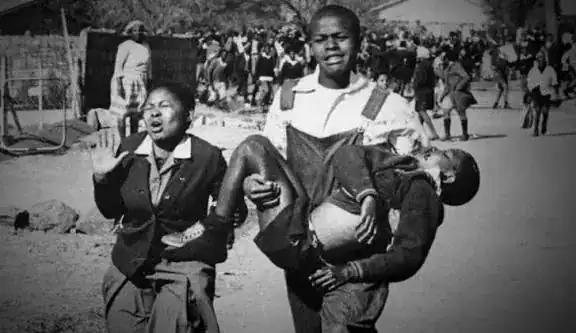
Hector Pieterson (June 16, 1976, Soweto, South Africa): Sam Nzima captured the original image. It shows 13-year-old Hector Pieterson being carried by Mbuyisa Makhubu. The image is a brutal, undeniable depiction of state violence. Children were protesting the imposition of Afrikaans instruction. Hector protested for freedom, injustice, and equality against an unjust system.
-
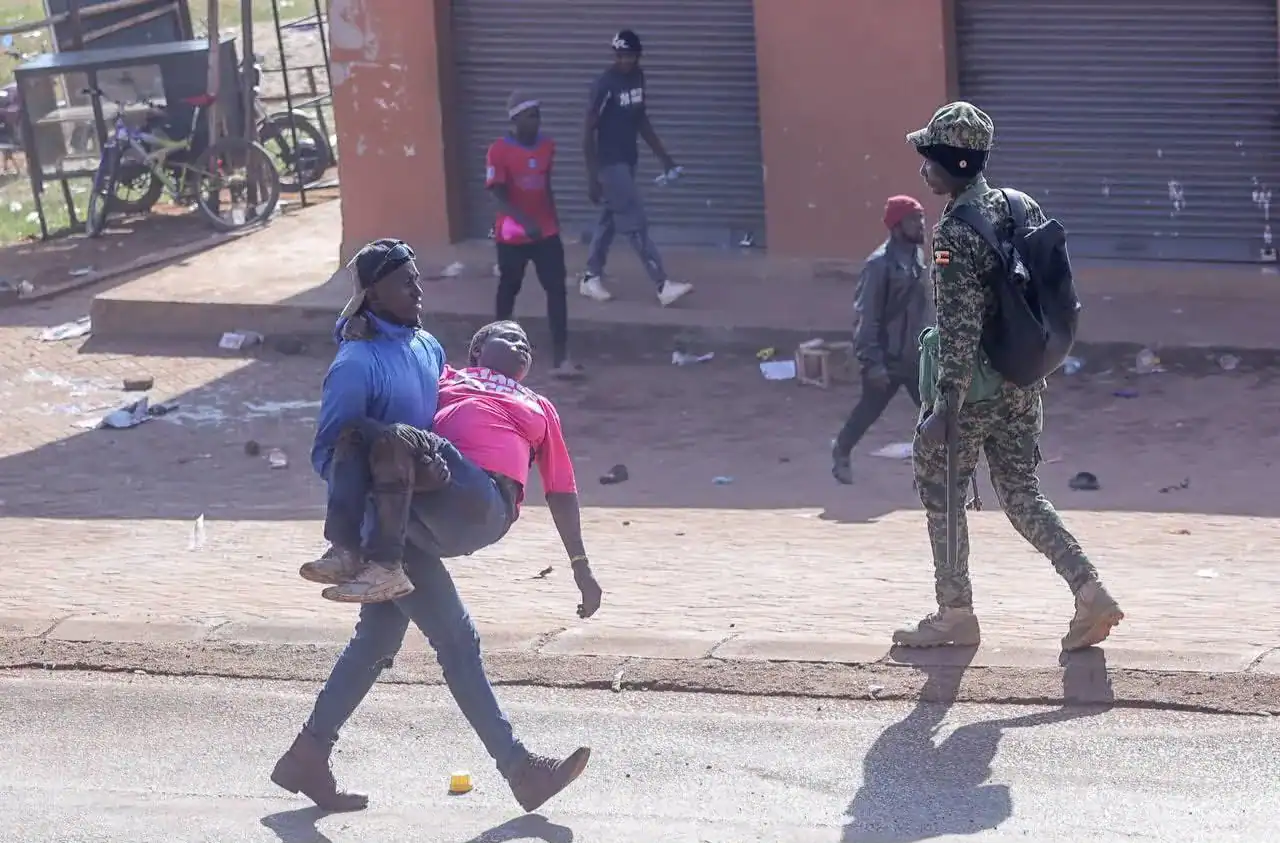
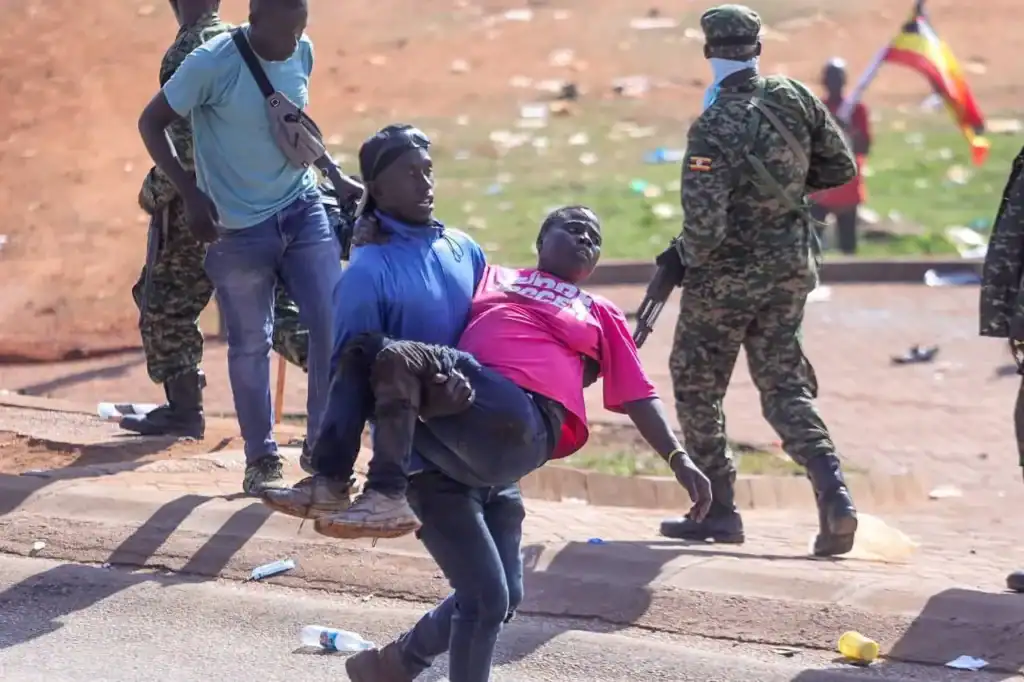
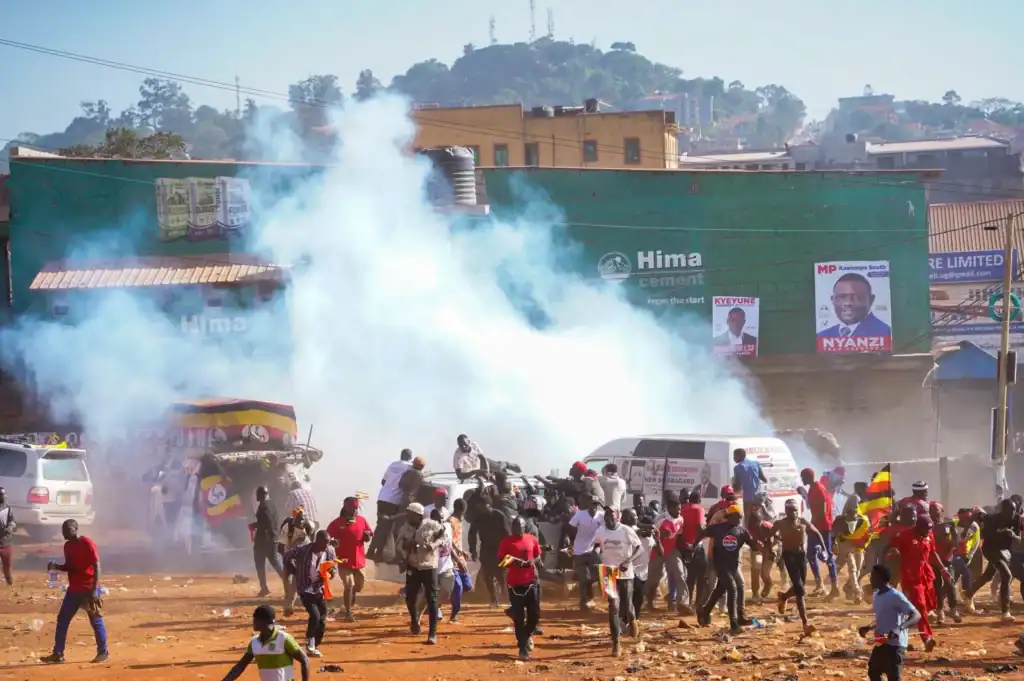
The NUP Supporter (November 24, 2025, Kawempe, Kampala, Uganda): The image, taken in the suburb of Kawempe, shows an injured young man. He is a supporter of the National Unity Platform (NUP). Another man lifts him. The context is vital: The Police and the Army tear-gassed NUP supporters wirh allegations of live Ammunition were used while they attended a peaceful Presidential campaign event in Kawempe. This visual encapsulates the high cost of political dissent in Uganda. Supporters often face violent confrontations while advocating for democracy. Consequently, both were fighting for equality, injustice, and freedom of speech.
Ultimately, both Iconic Images capture an act of care and defiance, not just an injury. The burden carried by the stretcher-bearer represents the burden of a nation’s suppressed aspirations.
Freedom and Equality: Similarities Between Hector and NUP Supporter Struggles
The fundamental reasons for the protests—the “why” behind the violence captured in the images—are strikingly similar. Both share a deep yearning for liberation from entrenched power structures.
Clearly, the two individuals, separated by nearly five decades, were united in their demands. Their injuries were sustained while demanding the same core values. Therefore, this highlights the enduring Similarities Between Hector and NUP Supporter Iconic Images.
Decoding the NUP: Research, Meaning, and Human Rights Concerns
To fully appreciate the context of the NUP supporter’s sacrifice, one must understand the political landscape of Uganda and the role of the National Unity Platform (NUP).
What is the National Unity Platform (NUP)?
The National Unity Platform (NUP) is Uganda’s main opposition political party. It officially registered in 2020, evolving from the “People Power” grass-roots movement. You can find more information about the party on Wikipedia: National Unity Platform.
-
Leadership: The NUP is led by the popular musician-turned-politician, Robert Kayagulanyi Ssentamu, known as Bobi Wine. Bobi Wine’s charisma and message resonate deeply with Uganda’s large, youthful population. They see him as a symbol of generational change and hope.
-
The Museveni Rivalry and Governance Issues: The NUP‘s primary challenge is the decades-long rule of Uganda President Yoweri Museveni. Museveni has been President since February 1986, giving him nearly 39 years in power. This extended tenure causes many Ugandans to feel the country desperately needs change. Furthermore, the Museveni government faces consistent accusations of being corrupt and committing serious human rights violations. They detain NUP supporters in safe houses without trial. Tragically, some opponents have disappeared.
The campaign of the NUP Supporter in Kawempe is a modern iteration of the same battle against entrenched power that Hector‘s generation fought.
The Lasting Legacy of an Iconic Image: Hector and NUP Supporter
The power of an Iconic Image is immense. It serves as an eternal source of motivation. It provides supporters (whether against apartheid or supporting the NUP) with tangible proof of their struggle’s legitimacy and cost.
The image of the injured NUP Supporter being carried in Kawempe on November 24, 2025, serves as a tragic echo of the image taken in Soweto in 1976. In both instances, the vulnerability captured on film fueled global and domestic calls for freedom of speech and democratic accountability. The two photographs, one from a past struggle and one from an ongoing battle, are both vital parts of the global iconography of human rights defense. Both were fighting for equality, injustice, and freedom of speech, solidifying the profound Similarities Between Hector and NUP Supporter Iconic Images.
To read more about the Uprising: Wikipedia: Hector Pieterson.
For more detailed political and cultural analysis: Get Africa News, Bursaries, Sports, lifestyle and more
Support eKayNews by subscribing. You can cancel anytime. Visit the website footer. Thank you for your generosity.