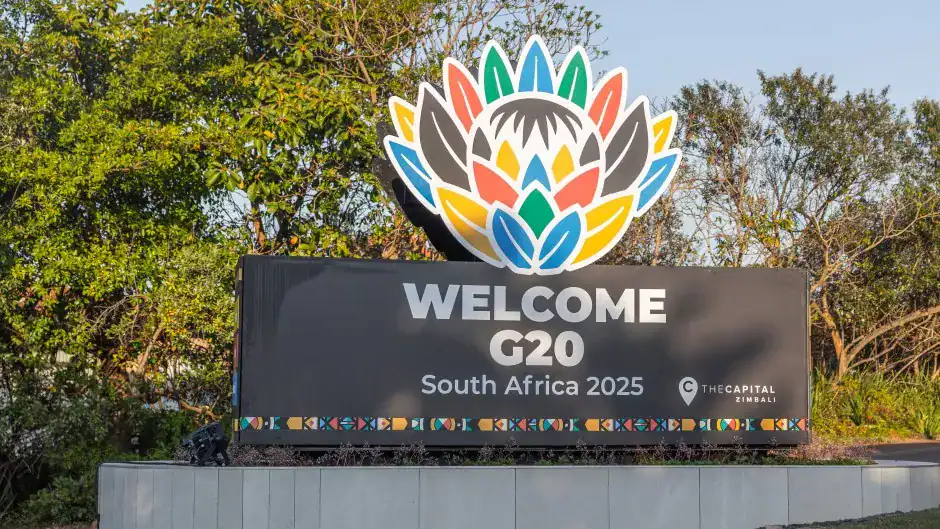
South Africa using G20 presidency to attract more tourists
South Africa using G20 presidency to attract more tourists has become a central strategy for boosting the nation’s economy, creating jobs, and promoting transformation within the tourism sector. The recent G20 Tourism Summit held at Cape Town’s V&A Waterfront highlighted how global collaboration, investment opportunities, and infrastructure development can strengthen the future of South Africa tourism.
Tourism Minister Patricia de Lille emphasized that the presidency presents a golden opportunity to position the country as a top destination for global travelers while driving much-needed job creation and economic growth.
G20 Tourism Summit: A platform for growth
The G20 Tourism Summit in Cape Town gathered international leaders, investors, and stakeholders to explore how partnerships can enhance the tourism industry. At the heart of the discussions were economic transformation, inclusivity, and sustainable investment.
Minister de Lille called on both local and global investors to collaborate on developing projects that not only attract tourists but also uplift communities. She highlighted that South Africa’s future lies in building tourism infrastructure that stimulates growth while addressing unemployment challenges.
This aligns with the government’s broader plan of leveraging investment opportunities to ensure tourism plays a leading role in economic recovery.
Investment opportunities across South Africa tourism
South Africa unveiled a portfolio of investment opportunities worth nearly R1-billion during the summit. These projects range in size and scope, including:
-
God’s Window Skywalk in Mpumalanga – requiring R200-million in funding.
-
Hole in the Wall Resort in the Eastern Cape – seeking R141-million in investment.
-
Six additional projects across the provinces that will contribute to rural and urban development.
The Department of Tourism emphasized that investors could engage through both public-private partnerships and innovative financing models introduced by Treasury. These opportunities are intended to bring long-term returns while creating sustainable infrastructure.
Sports tourism: A winning strategy
One of the key highlights of the summit was South Africa’s commitment to sports tourism. Major global sporting events have long proven to boost international visitor numbers, and South Africa is capitalizing on this trend.
-
The country has officially submitted a bid to host the Formula 1 race in 2027, a move expected to place South Africa at the center of global sporting attention.
-
In March 2026, South Africa will host the LIV Golf Tournament for the first time.
-
The 2027 Cricket World Cup will also see South Africa as a co-host, attracting sports fans from across the globe.
By linking tourism to sports, South Africa hopes to showcase its diverse culture, hospitality, and world-class facilities. This strategy directly supports job creation in transport, accommodation, and hospitality services.
Tourism and job creation
Job creation was one of the central themes throughout the G20 Tourism Summit. Tourism Minister Patricia de Lille stressed that every tourism project should not only attract visitors but also provide employment opportunities for South Africans.
With the sector still recovering from the pandemic’s impact, the new wave of investment opportunities will target:
-
Infrastructure development in underdeveloped areas.
-
Training programs to equip young South Africans with skills for the hospitality and tourism industries.
-
Expanded job opportunities across accommodation, travel, event management, and tour operations.
The minister highlighted that these initiatives are not just about numbers but about transforming lives and reducing inequality.
Global perspectives on South Africa tourism
International partners also weighed in on South Africa’s efforts. Natalia Bayona, Executive Director of UN Tourism, commended the country’s role in driving tourism growth across Africa. She noted that while global tourism grew by 11% last year, Africa recorded 12% growth, with South Africa contributing 6%.
Bayona emphasized that continued collaboration with the United Nations would help unlock further opportunities in education, technology, and infrastructure within the sector.
Princess Haifa Al Saud, Deputy Minister of Saudi Arabia Tourism, praised South Africa’s emphasis on sustainability and inclusivity. She noted that sustainability should go beyond being a buzzword and be embedded into real action across the tourism value chain.
Digital visa reforms: Opening South Africa to the world
Accessibility is a crucial factor in attracting more international visitors. To address this, Home Affairs announced that digital visa applications will be introduced by the end of September.
This reform is expected to:
-
Streamline the visa process for travelers.
-
Reduce waiting times and bureaucracy.
-
Make South Africa more competitive with other tourist-friendly nations.
By simplifying entry requirements, South Africa aims to position itself as a preferred destination for business and leisure travelers alike.
Strengthening public-private partnerships
The G20 Tourism Summit also underscored the importance of collaboration between government and private stakeholders. From airlines and hotels to local entrepreneurs, the success of South Africa tourism depends on a united effort.
Delegates highlighted key areas that require attention:
-
Expanding air connectivity to make South Africa more accessible.
-
Developing rural tourism initiatives to diversify the country’s offerings.
-
Encouraging private sector innovation in eco-tourism and cultural tourism.
By working together, the tourism ecosystem can thrive, delivering growth, sustainability, and transformation.
The bigger picture: Why tourism matters
Tourism is more than just a leisure industry—it is a major driver of South Africa’s economic development. It contributes billions to GDP annually and supports millions of jobs.
By leveraging the G20 presidency, South Africa can:
-
Attract long-term investments.
-
Showcase its natural beauty, cultural diversity, and sporting excellence.
-
Strengthen global partnerships.
-
Provide tangible benefits to communities through job creation and infrastructure development.
Conclusion
The vision of South Africa using G20 presidency to attract more tourists is about much more than short-term gains. It is about creating sustainable growth, building world-class tourism infrastructure, and ensuring that communities benefit from the opportunities tourism brings.
With a clear focus on investment opportunities, job creation, and global partnerships, South Africa is positioning itself as a top player in the international tourism landscape.
If successfully implemented, the strategies unveiled at the G20 Tourism Summit could mark a turning point for South Africa tourism, ensuring that the sector continues to grow, innovate, and uplift communities for years to come.
You May Like: