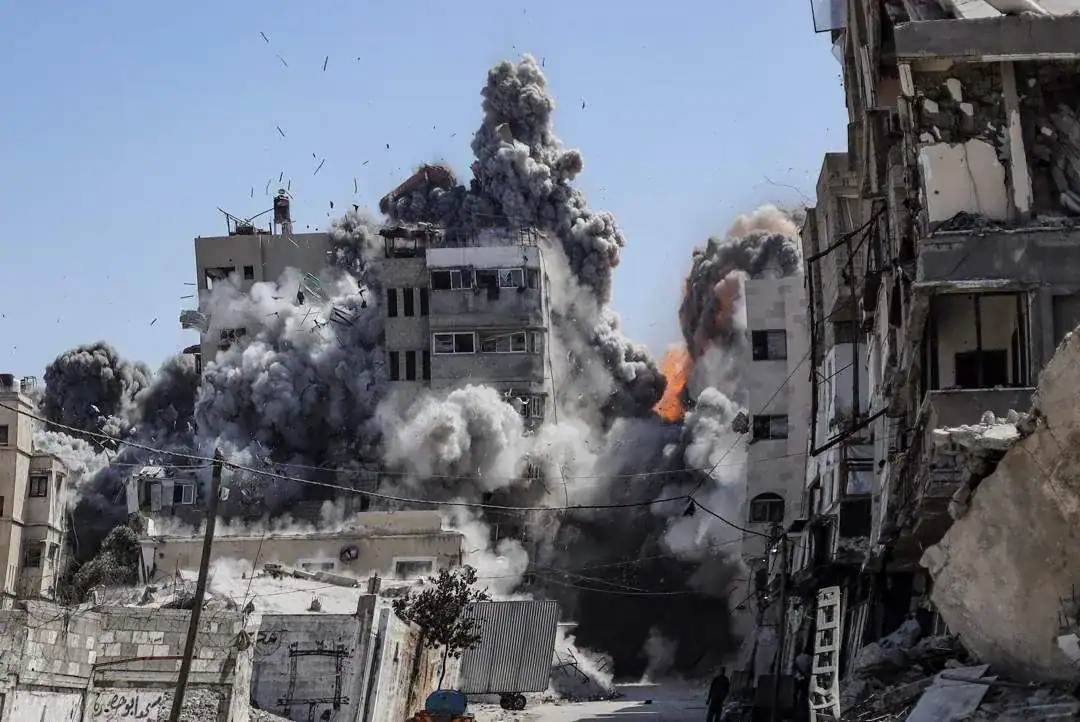
Trump Netanyahu Gaza Peace Plan Talks at White House
Trump Netanyahu Gaza peace plan talks will take center stage at the White House on Monday, where US President Donald Trump will host Israeli Prime Minister Benjamin Netanyahu. The high-stakes discussions are expected to address long-standing tensions, with hopes of pushing an elusive Gaza peace plan closer to reality.
As the region faces ongoing violence, political instability, and deep mistrust, the White House meeting carries symbolic weight and practical importance. The meeting also underscores the personal relationship between Trump and Benjamin Netanyahu, which has shaped recent US-Israel diplomacy.
The Context of the White House Meeting
The White House meeting comes at a critical moment. Efforts to reach a Gaza peace plan have repeatedly failed due to disagreements over borders, security, settlements, and the rights of Palestinians.
For Trump, the talks present an opportunity to advance his administration’s Middle East policy and showcase leadership on the international stage. For Benjamin Netanyahu, facing domestic political challenges, the talks could boost his standing by highlighting Israel’s close alliance with the United States.
Both leaders are eager to frame the talks as a step toward stability, even though observers remain cautious about the chances of meaningful progress.
Trump’s Strategy
President Donald Trump has long presented himself as a dealmaker, confident in his ability to succeed where others have failed. The Trump Netanyahu Gaza peace plan talks reflect his ambition to secure a diplomatic breakthrough in one of the world’s most intractable conflicts.
Trump’s approach emphasizes:
-
Strong US-Israel ties: Reinforcing Washington’s role as Israel’s staunchest ally.
-
Security guarantees: Ensuring Israel’s safety in any peace arrangement.
-
Regional alliances: Building partnerships with Arab states to support peace efforts.
While critics accuse Trump of being overly aligned with Israeli positions, his administration argues that such alignment creates a strong foundation for negotiation.
Netanyahu’s Agenda
For Benjamin Netanyahu, the White House meeting is both an opportunity and a test. Domestically, Netanyahu faces political uncertainty, with critics questioning his handling of Gaza and his broader leadership.
At the Trump Netanyahu Gaza peace plan talks, Netanyahu is expected to:
-
Push for recognition of Israel’s security concerns.
-
Seek US backing for continued Israeli military operations against militant groups in Gaza.
-
Emphasize the dangers of Iran’s influence in the region.
For Netanyahu, having Trump as a close ally strengthens Israel’s diplomatic hand, but it also raises questions about the balance of negotiations.
The Gaza Peace Plan: Challenges and Opportunities
Historical Obstacles
The Gaza peace plan faces major hurdles:
-
Territorial disputes over borders and settlements.
-
Security concerns regarding Hamas and militant groups.
-
Humanitarian crises in Gaza, where poverty and unemployment remain high.
-
Distrust between Israeli and Palestinian leaders after decades of failed negotiations.
Possible Breakthroughs
Despite these obstacles, the Trump Netanyahu Gaza peace plan talks could bring incremental progress. Analysts suggest areas such as easing humanitarian conditions, improving Gaza’s infrastructure, and limited security cooperation could serve as entry points for broader negotiations.
Regional and Global Reactions
Arab States
Arab nations are watching closely. Some states, particularly those that normalized relations with Israel under the Abraham Accords, may quietly support the White House meeting. Others remain wary, fearing that any deal could sideline Palestinian interests.
International Community
The global community remains divided. The European Union continues to advocate for a two-state solution, while the United Nations urges humanitarian relief in Gaza. Critics argue that the talks risk being one-sided, while supporters highlight the value of dialogue itself.
Implications for US-Israel Relations
The Trump Netanyahu Gaza peace plan talks reinforce the deep political and military ties between the two nations. For Trump, strengthening Israel’s security aligns with US strategic interests in the Middle East.
However, critics warn that overly favoring Israel may further alienate Palestinians and reduce America’s credibility as a neutral mediator. The balance between friendship and fairness remains delicate.
What’s at Stake
The stakes of the White House meeting are high for both leaders:
-
For Trump: A successful outcome could burnish his foreign policy legacy.
-
For Netanyahu: The talks could offer political momentum amid domestic pressures.
-
For the region: Any movement on the Gaza peace plan could ease humanitarian suffering and reduce conflict.
But failure to make progress risks further entrenching division and escalating tensions.
Expert Opinions
Middle East analysts remain cautious. Some argue that without Palestinian representation, the Trump Netanyahu Gaza peace plan talks lack legitimacy. Others suggest that even small agreements, such as humanitarian aid or temporary ceasefires, could represent progress.
Diplomatic experts also highlight the importance of timing: with upcoming elections and shifting alliances, both leaders may prioritize political gain over long-term solutions.
Conclusion
Trump Netanyahu Gaza peace plan talks at the White House mark another chapter in the decades-long struggle to resolve the Israeli-Palestinian conflict. While hopes remain slim for a comprehensive peace deal, the talks signal continued efforts to push dialogue forward.
For Trump, the meeting is a chance to showcase his influence as a global negotiator. For Benjamin Netanyahu, it’s an opportunity to strengthen ties with Washington and reassure Israeli voters. For the people of Gaza, the real test lies in whether these discussions lead to tangible improvements in daily life.
The world will watch closely as the White House once again becomes the stage for one of the most pressing challenges in global diplomacy.
You May Like:
Captain Ibrahim Traore grants Visa Free to all African Travelers to Burkina