Trump to demand compensation for Tehran’s ‘conflicts’
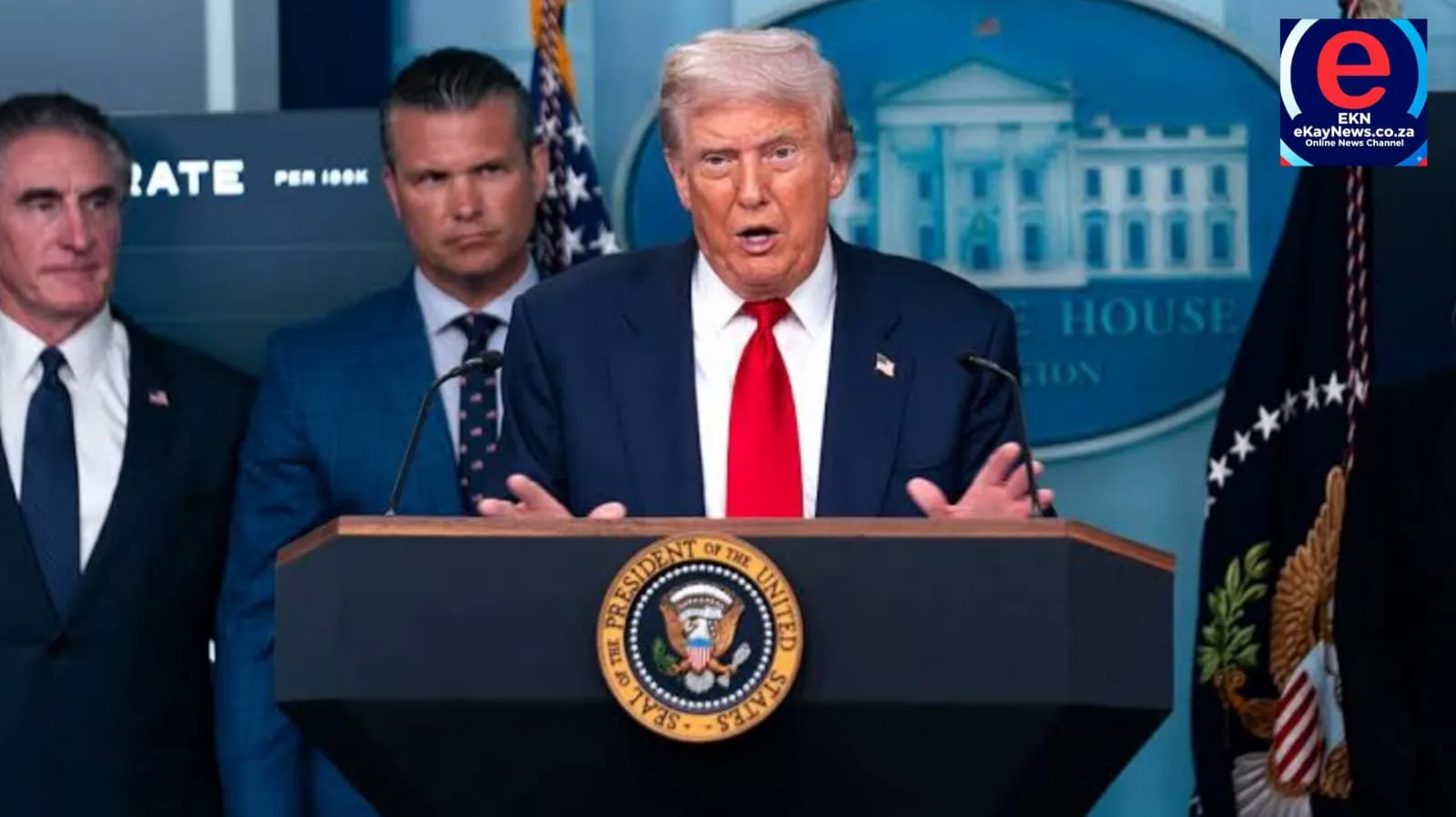
Trump to demand compensation for Tehran’s ‘conflicts’ as negotiations with Iran appear to have reached another difficult stage, with the US president calling for Tehran to pay compensation over deaths and damage linked to decades of regional conflicts.
The demand comes after Iranian negotiators reportedly sought compensation for destruction caused by US and Israeli military action during the months-long conflict.
Trump’s latest position adds another major obstacle to efforts to reach an agreement that could end hostilities and reopen the strategically important Strait of Hormuz.
The waterway has become a central issue in the wider dispute because of its importance to global energy markets and international shipping.
Trump Iran compensation demand escalates tensions
The latest Trump Iran compensation demand was outlined by the US president in posts on Truth Social.
Trump said Iran should be held financially responsible for people killed and seriously wounded in conflicts involving Iranian forces or groups backed by Tehran.
He also expanded his demands beyond American casualties, arguing that Iran should compensate victims and families affected by conflicts in several countries across the Middle East.
The comments represent a significant escalation in the political demands surrounding negotiations.
Iran has itself sought compensation for damage caused during the conflict, particularly following US and Israeli strikes against Iranian military and infrastructure targets.
Trump’s response effectively turns compensation into another potential condition for a broader settlement.
Trump expands compensation claims
Trump initially focused on Americans killed in conflicts involving Iran.
He referenced the USS Cole bombing and other incidents involving US military personnel, while also pointing to deaths attributed to Iranian-backed groups.
He subsequently broadened the demand.
The US president said Iran should also be responsible for damages and deaths involving people in Lebanon, Syria, Yemen and Gaza.
The expanded demand could make already complicated negotiations even more difficult.
For Iran, accepting responsibility for such a broad range of deaths and destruction would represent a major political concession.
US Iran war negotiations face fresh obstacles
The latest developments come as the US Iran war continues to dominate international attention.
The United States and Israel launched joint military action against Iran earlier in the year, with strikes targeting military, government and infrastructure sites.
Iran responded with attacks of its own, while the conflict increasingly affected shipping and energy markets.
Diplomatic efforts have continued alongside military confrontation.
Delegations from Washington and Tehran have attempted to negotiate a framework that could eventually bring an end to the conflict.
However, the latest statements from Trump suggest that reaching a final agreement remains difficult.
No final peace agreement yet
US officials have repeatedly indicated that diplomatic progress could lead to a deal, but no comprehensive settlement has been secured.
The situation has been complicated by disagreements over sanctions, Iran’s military capabilities, compensation and the future of the Strait of Hormuz.
Trump’s compensation demands could now become one of the most difficult issues for negotiators.
Iranian leaders would face significant domestic pressure if they agreed to pay reparations to the United States or accept responsibility for deaths across the region.
Strait of Hormuz crisis remains critical
The Strait of Hormuz crisis is another major part of the dispute.
The narrow waterway between Iran and Oman is one of the world’s most important energy routes.
A significant share of internationally traded oil and other energy products normally passes through the strait.
Any prolonged disruption can therefore have consequences far beyond the Middle East.
Higher shipping costs, increased insurance premiums and reduced oil supplies can contribute to rising fuel prices and inflation in countries around the world.
Trump says mines have been cleared
Trump also said the US military had cleared mines that Iran allegedly placed in the Strait of Hormuz.
The claim comes amid continued efforts to restore safe maritime traffic through the waterway.
The security of commercial shipping remains a major concern for governments, energy companies and international markets.
Any agreement that successfully reopens the strait could therefore have an immediate economic impact.
However, the latest compensation demands suggest that diplomatic progress may not come quickly.
Trump Iran negotiations under pressure
The Trump Iran negotiations have already faced several setbacks.
The two sides must overcome disagreements involving military security, economic sanctions, compensation and regional influence.
Iran is expected to resist demands that could be interpreted as admitting broad responsibility for conflicts across the Middle East.
At the same time, the Trump administration has strong incentives to secure a deal that could reduce military tensions and stabilise global energy markets.
Economic pressure on Tehran
Trump has previously indicated that economic pressure can be used to force Tehran back towards negotiations.
Sanctions and restrictions on Iran’s oil exports could remain central to Washington’s strategy.
For Tehran, however, the lifting of economic restrictions is likely to be a key objective in any agreement.
Iran’s economy has been under significant pressure, while the war has damaged infrastructure and military capabilities.
This creates a complicated negotiating environment in which both sides are attempting to use economic leverage to achieve their objectives.
Iran war reparations could become a sticking point
The issue of Iran war reparations could become one of the biggest barriers to a settlement.
Iran wants compensation for destruction caused by US and Israeli attacks.
Trump, meanwhile, is demanding compensation from Tehran for deaths and damage associated with conflicts involving Iran.
The two positions are fundamentally different.
One side wants compensation for damage caused during the latest conflict, while the other wants compensation for a much wider history of violence.
Political consequences for Iran
Accepting Trump’s demands could create serious political consequences for Iran’s leadership.
Acknowledging responsibility for deaths in countries such as Lebanon, Syria, Yemen and Gaza could be politically damaging.
It could also expose Tehran to additional financial claims from individuals, governments and organisations.
For that reason, Iranian negotiators are likely to approach the issue cautiously.
The compensation dispute could therefore become a negotiating tactic rather than a straightforward financial settlement.
Gaza adds another layer to Middle East tensions
The developments involving Iran are unfolding alongside continued disagreements over Gaza.
Israeli Prime Minister Benjamin Netanyahu has rejected elements of a US-backed 15-point plan aimed at ending the war in Gaza.
Netanyahu has insisted that Hamas must disarm before Israel agrees to a full withdrawal.
The disagreement has added another layer of complexity to Trump’s broader Middle East diplomatic ambitions.
Although Trump has described his relationship with Netanyahu as strong, public disagreements over the Gaza plan demonstrate the difficulties facing Washington.
Trump faces pressure across the region
The US president is attempting to address several major conflicts at the same time.
Iran, Gaza and Lebanon all involve competing military and political interests.
A breakthrough in one area could potentially help negotiations elsewhere, but setbacks can also have a wider impact.
The failure to reach an agreement with Iran could keep military tensions elevated and prolong uncertainty around the Strait of Hormuz.
What happens next?
The next stage of the Trump Iran negotiations will likely focus on whether both sides can narrow their differences over compensation and the conditions required to reopen the Strait of Hormuz.
For Iran, securing an end to military action and economic restrictions is likely to remain a priority.
For Washington, preventing Iran from rebuilding military capabilities while securing safe international shipping will remain important objectives.
The compensation dispute adds another challenge to an already fragile diplomatic process.
If neither side is willing to compromise, negotiations could remain stalled.
YOU MAY LIKE:
Trump said on Sunday the U.S. was “semi-negotiating” with Iran.
Iran says Oman deal is in ‘final stages’ but US must open Hormuz
Global markets watching Iran developments
The outcome of the dispute will be closely watched by international energy markets.
A prolonged Strait of Hormuz crisis could affect oil prices, shipping costs and inflation.
Countries that rely heavily on Middle Eastern energy supplies could face increased costs if disruption continues.
For South African consumers, higher global oil prices can eventually feed into petrol and diesel prices, transportation costs and the prices of goods.
That means developments in the US Iran war can have consequences far beyond the immediate conflict zone.
For now, Trump’s demand for compensation represents another significant development in the increasingly complicated diplomatic effort to end the conflict.
Whether Tehran accepts any form of reparations, and whether Washington is prepared to compromise on its demands, could determine whether negotiations move forward or remain deadlocked.
References
- Reuters – Trump demands compensation from Iran as Hormuz deal hopes fade
Reuters – Trump says Iran must pay compensation for those it has killed and wounded - The Guardian – Trump demands Iran pay compensation for decades of US soldier deaths
The Guardian – Trump demands Iran pay compensation - Al Jazeera – Trump demands compensation from Iran as talks continue
Al Jazeera – Trump demands compensation from Iran
Support Independent Journalism with eKayNews! 📰✨

At eKayNews, we are dedicated to bringing you honest, independent, and reliable news. But we can’t do it alone—independent journalism relies on the strength and generosity of its community.
If you value our work, please consider supporting us today! You can help keep us going by choosing a subscription or simply buying us a one-off virtual coffee:
👉 Support us here: ekaynews.co.za/subscribe-form/
You can also support our mission by visiting our main site at www.ekaynews.co.za and following @eKayNews on all social media platforms.
Thank you so much for your incredible generosity and for being part of our journey! 🙏💙