UNAIDS warns
UNAIDS warns HIV progress at risk from U.S. funding cuts, as decades of achievements in the fight against HIV/AIDS face a major threat. This warning, delivered in UNAIDS’ latest annual report, highlights the severe impact that sudden international funding withdrawals—especially from the United States—are already having across the globe, particularly in South Africa.
UNAIDS report reveals global health emergency
The UNAIDS report released in Johannesburg delivers a sobering message: without urgent action to replace withdrawn U.S. funds, millions of people may face new infections and preventable deaths. “We estimate six million new infections and four million additional AIDS-related deaths in just four years,” said Winnie Byanyima, Executive Director of UNAIDS.
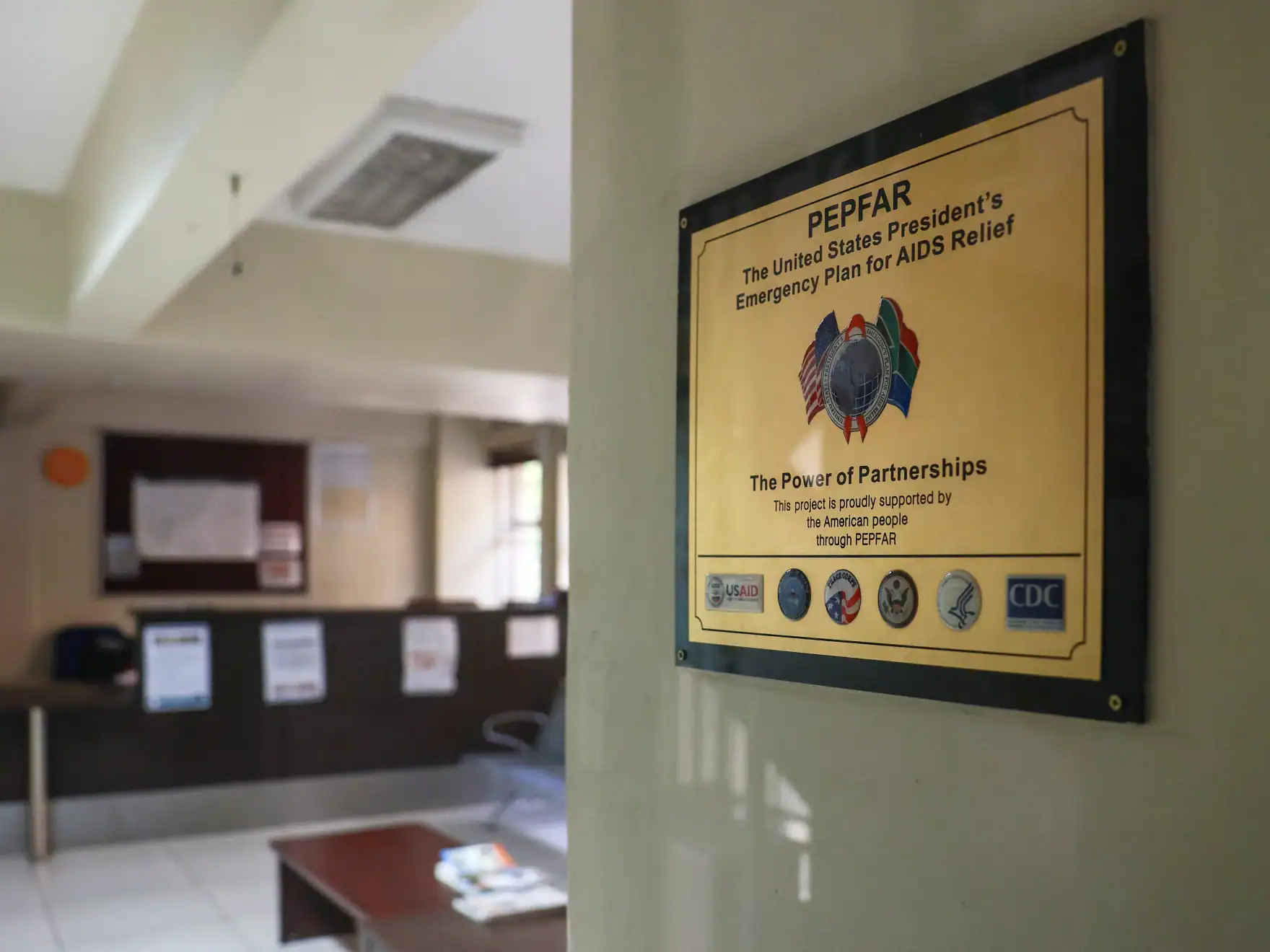
These figures come just five months after the U.S. government—under former President Donald Trump—halted most of its support for the President’s Emergency Plan for AIDS Relief (PEPFAR). PEPFAR had been the single largest contributor to the global HIV/AIDS response. The decision was abrupt and caught global health institutions off guard.
HIV progress threatened in South Africa and beyond
South Africa, home to the largest HIV-positive population in the world, has been one of the primary beneficiaries of global HIV/AIDS funding. Millions of citizens receive life-saving antiretroviral therapy due to international support. But according to the UNAIDS report, the U.S. funding cuts have already begun to unravel this progress.
South Africa’s Health Minister Aaron Motsoaledi, present at the UNAIDS report launch, called the situation “a wake-up call,” stating:
“This type of relationship where we depend on one country, and when that country is in some type of negative mood, the whole world collapses — yes, it’s scary.”
Scientific research suffers setbacks
The cuts don’t just affect treatment—they are deeply disrupting South Africa’s health research efforts. South African scientists have led the world in HIV and tuberculosis research, developing breakthroughs with global applications. But many clinical trials are now suspended due to lack of funds.
Dr. Helen Rees, who heads the Wits Reproductive Health and HIV Institute, warned of the broader implications:
“The research being done for HIV and tuberculosis in South Africa has not only had an impact here, but a huge global impact.”
Rees, recently honored by the World Health Organization, now faces budget shortfalls that jeopardize her institute’s work. The UNAIDS report urges that HIV progress through science must not be derailed.
U.S. policy shift sparks global concern
The Trump administration framed the aid cut as part of a pivot to “trade over charity” in its Africa policy. But Byanyima and other experts have strongly rejected this framing, stating that the U.S. role in fighting HIV/AIDS was never about charity—it was about partnership.
“This is not charity,” Byanyima emphasized. “This is solving a global problem together. As long as it festers in some parts of the world, it will come back to hit everybody else.”
The UNAIDS report warns that funding gaps have already halved their operational budget, severely reducing program reach.
South African voices: from despair to resilience
For community activists like Nombeko Mpongo in Cape Town, the U.S. cuts were devastating. “It felt like a death penalty,” she said, describing the emotional toll of the funding loss. “It was like a volcano came and took everything away.”
But Mpongo’s response turned from despair to determination:
“We’ve fought this virus before. We’ll do it again, because hope is what is going to carry us through.”
Mpongo and many others are rallying their communities, building local resilience, and calling for increased domestic and diversified international support.
South Africa health leaders urge diversification
South African leaders say the lesson is clear: the world cannot depend on a single donor. Minister Motsoaledi emphasized the need for building more sustainable, multi-country funding models.
The UNAIDS report recommends that donor nations recommit to fighting HIV/AIDS with predictable and long-term funding. It also calls on middle-income countries to increase domestic investment in health.
Call to action: Global responsibility
The consequences of ignoring this crisis will not remain isolated. Experts warn that a rise in untreated HIV infections could lead to increased transmission, drug resistance, and global public health instability.
“The world made a promise to end AIDS by 2030,” Byanyima reminded the press. “That promise is meaningless if we don’t fund the fight.”
UNAIDS urges governments, the private sector, and philanthropic organizations to act immediately to plug the funding gap. The UNAIDS report provides a detailed roadmap for urgent interventions that include targeted prevention, treatment scale-up, and continued scientific research.
Conclusion: A turning point in the fight against HIV
UNAIDS warns HIV progress at risk from U.S. funding cuts, but also offers a path forward—if the world chooses to act. The time to prevent a backslide in one of the greatest global health victories is now.
South Africa, with its resilient healthcare infrastructure and committed civil society, will continue to fight. But it cannot do it alone. As Mpongo said, “Hope is our weapon, but action must be our shield.”
References (Mainstream South African Media)
-
TimesLIVE – South Africa faces setbacks after U.S. funding cuts
-
Mail & Guardian – HIV research in SA stalls amid U.S. aid freeze
-
SABC News – Motsoaledi responds to UNAIDS report
-
Daily Maverick – Health experts warn of HIV surge after U.S. pullback