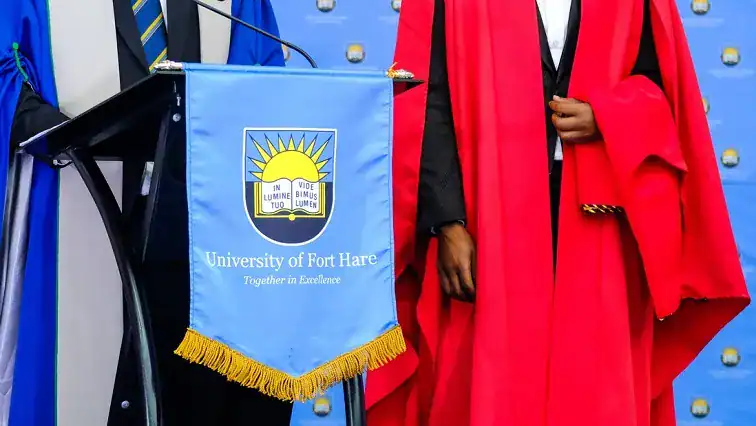
University of Fort Hare Vice Chancellor Sakhela Buhlungu resignation
The University of Fort Hare Vice Chancellor Sakhela Buhlungu resignation has become a heated topic following days of protests at the Eastern Cape university. The institution has made it clear that Professor Buhlungu will not step down, despite mounting pressure from protesting students demanding his immediate resignation.
Tensions have escalated on campus as the University of Fort Hare (UFH) community grapples with internal disputes over governance, student representation, and academic management. The leadership remains firm in its stance that Professor Buhlungu will continue serving as Vice Chancellor, emphasizing stability and adherence to institutional processes.
University of Fort Hare Responds to Growing Tensions
The University of Fort Hare released an official statement confirming that Professor Sakhela Buhlungu will not resign. The administration cited the need for continuity and responsible leadership during a challenging period for the university.
“Professor Buhlungu remains committed to his role and to ensuring that the University continues its mission of academic excellence,” the statement read.
The Eastern Cape university has experienced sporadic student unrest in recent weeks. Demonstrators have expressed frustration over management decisions, housing shortages, financial aid delays, and alleged poor communication between leadership and student bodies.
The call for the University of Fort Hare Vice Chancellor Sakhela Buhlungu resignation emerged from a faction of student leaders who argue that the current administration has failed to address student welfare adequately.
Professor Sakhela Buhlungu’s Leadership Under Fire
Professor Sakhela Buhlungu, who has served as Vice Chancellor of the University of Fort Hare since 2017, has faced numerous challenges during his tenure. Known for his reform-driven approach, Buhlungu has spearheaded initiatives to combat corruption, improve governance, and restore academic credibility at one of South Africa’s most historic institutions.
Under his leadership, the Eastern Cape university has made progress in improving research output, accreditation standards, and staff accountability. However, these reforms have not come without resistance. Some groups, including segments of the student population, have accused the administration of being disconnected from student needs.
Despite these tensions, the university council and senate have publicly reaffirmed their support for Professor Buhlungu, stating that he is the right person to lead UFH through its current transformation phase.
Student Protests Disrupt Campus Activities
The ongoing student protests at the University of Fort Hare have disrupted academic and administrative operations. Demonstrators have blocked entrances, staged sit-ins, and organized marches demanding leadership change and improved student services.
The Eastern Cape university management has urged students to return to class, emphasizing that dialogue—not confrontation—is the best path forward. “We understand the frustrations, but disrupting academic programs only harms the very students who seek change,” the administration said.
While the University of Fort Hare Vice Chancellor Sakhela Buhlungu resignation remains a central demand, protest leaders also cite other grievances:
-
Delayed distribution of student allowances
-
Inadequate accommodation facilities
-
Poor maintenance of campus infrastructure
-
Lack of consultation in decision-making processes
Law enforcement has been deployed around the Alice and East London campuses to ensure safety and prevent escalation.
Eastern Cape University Faces Broader Challenges
The Eastern Cape university is no stranger to controversy. The University of Fort Hare—a historic institution that produced African icons such as Nelson Mandela, Oliver Tambo, and Robert Sobukwe—has, in recent years, been plagued by governance disputes, corruption allegations, and financial mismanagement issues.
Professor Buhlungu has repeatedly emphasized his commitment to cleaning up the institution’s administration and restoring its reputation. His leadership style, marked by transparency and strict accountability measures, has earned both praise and criticism.
In response to the current unrest, Buhlungu stated that leadership change cannot be dictated by protests or external pressure:
“The University belongs to all its stakeholders. We must engage constructively to build solutions, not destroy what we are trying to fix.”
His refusal to resign has been interpreted by supporters as a sign of strength, while critics see it as a refusal to acknowledge legitimate student concerns.
National Reactions to the UFH Crisis
The University of Fort Hare Vice Chancellor Sakhela Buhlungu resignation issue has drawn national attention. Education stakeholders, political organizations, and alumni have expressed concern over the ongoing unrest at one of South Africa’s oldest universities.
The Department of Higher Education and Training has called for calm and urged both management and students to prioritize academic stability. Ministerial representatives are expected to visit the campus to mediate between the university leadership and protesting students.
Meanwhile, university alumni have launched a solidarity campaign supporting dialogue and institutional recovery. “Fort Hare has survived greater challenges in the past. We must protect its legacy,” one alumnus commented.
Student Voices and Calls for Reform
Protesting students insist that their movement is not just about the University of Fort Hare Vice Chancellor Sakhela Buhlungu resignation, but about broader structural reforms. They want greater representation in university governance and faster action on key issues like student funding and accommodation.
One student leader said:
“We are not here to destroy, but to be heard. We need leadership that listens and acts in our best interests.”
The Eastern Cape university has pledged to open channels of communication, establishing a joint task team to address student concerns. However, progress has been slow, and tensions remain high.
The Path Forward for University of Fort Hare
As protests continue, the University of Fort Hare faces a delicate balancing act: maintaining academic continuity while addressing legitimate student grievances. Analysts warn that prolonged unrest could damage the university’s reputation and disrupt the academic calendar.
Despite pressure, the institution insists that Professor Sakhela Buhlungu will remain in office. His supporters argue that removing him now would destabilize ongoing reforms critical to the Eastern Cape university’s long-term success.
For now, the University of Fort Hare Vice Chancellor Sakhela Buhlungu resignation issue remains unresolved. Stakeholders hope mediation efforts will lead to a compromise that restores calm and ensures the institution continues fulfilling its mission as a center of African excellence.
Conclusion
The University of Fort Hare Vice Chancellor Sakhela Buhlungu resignation controversy underscores the challenges facing South African higher education institutions. As the Eastern Cape university navigates this crisis, all eyes are on how it balances student demands with the need for stability and accountability.
Professor Sakhela Buhlungu remains steadfast in his commitment to reforming the University of Fort Hare, while student protesters continue pressing for change. Dialogue, transparency, and empathy will be key to resolving this standoff peacefully.
For ongoing updates and breaking stories from the University of Fort Hare and other South African institutions, visit eKayNews.co.za for reliable, verified coverage.
You May Like: