US strikes Iran for third night as Trump says deal still ‘possible’
US strikes Iran for third night as Trump says deal still ‘possible’ as the conflict between Washington and Tehran entered another dangerous phase with fresh American airstrikes targeting Iranian military infrastructure. Despite the escalating military campaign, US President Donald Trump insisted that diplomacy had not completely collapsed, saying an agreement with Iran remained achievable.
The latest military exchanges have intensified the Iran-US conflict, rattled global financial markets, pushed oil prices sharply higher and renewed concerns about the security of the Strait of Hormuz, one of the world’s most important maritime trade routes. Iran has responded with missile and drone attacks against regional targets, while Gulf states remain on high alert as fears grow that the conflict could spread further across the Middle East.
US strikes Iran continue for third consecutive night
The latest US strikes Iran campaign began shortly after 8:45pm GMT on Monday, according to the United States Central Command (CENTCOM), marking the third straight night of military operations against Iranian targets.
CENTCOM said the strikes were designed to reduce Iran’s military capabilities and limit its ability to threaten international commercial shipping passing through the Strait of Hormuz.
Military officials stated that the operation specifically targeted infrastructure used by Iranian forces involved in attacks against civilian vessels and merchant shipping.
The Pentagon has maintained that freedom of navigation through international waterways remains one of the primary objectives of the campaign.
The continued strikes represent one of the most significant escalations in tensions between the United States and Iran in recent years.
Donald Trump insists diplomacy remains possible
President maintains hope for negotiations
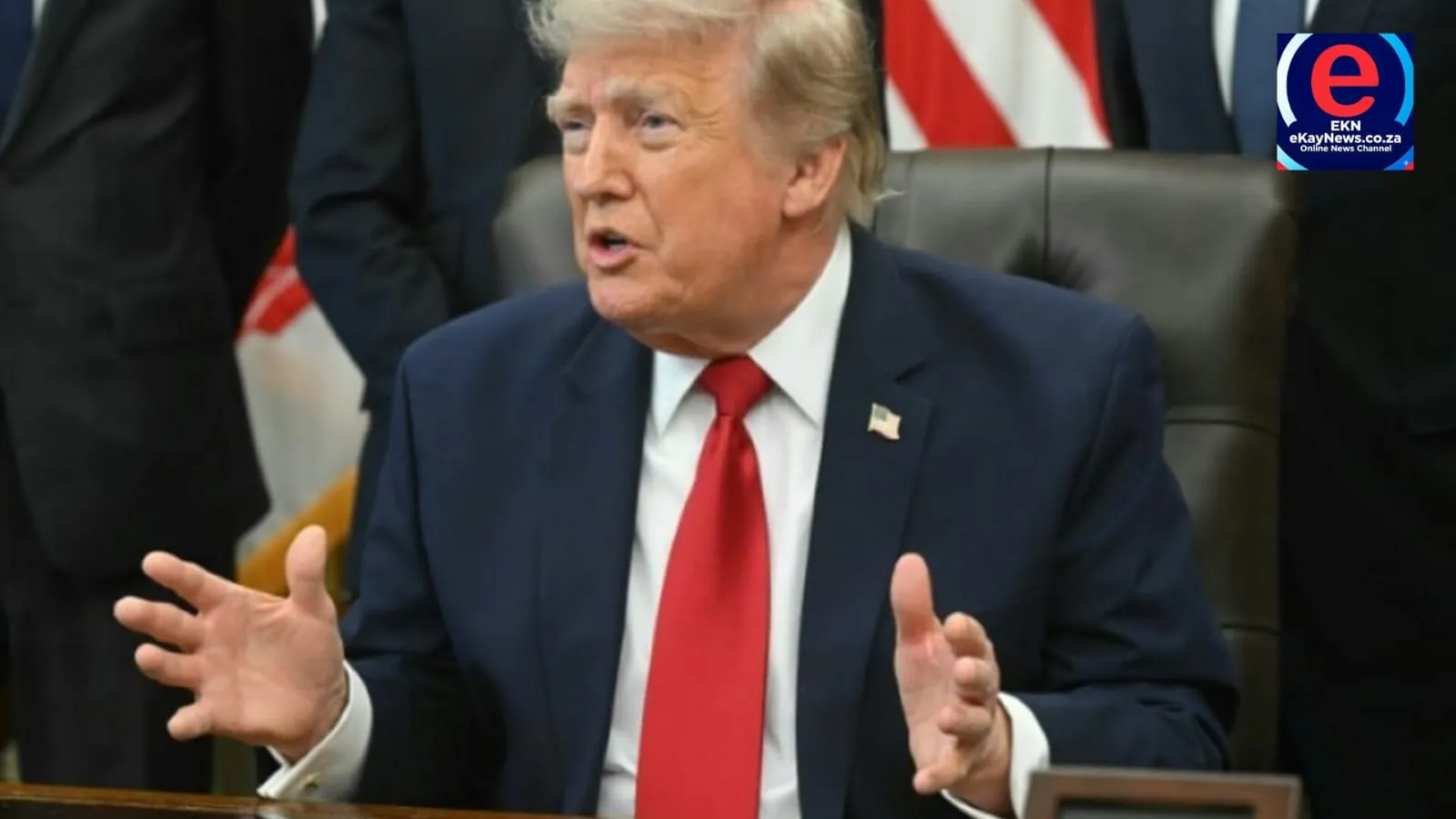
Despite authorising continued military action, Donald Trump said diplomatic efforts had not completely failed.
Speaking from the Oval Office, Trump told reporters that an agreement with Tehran remained possible despite the renewed hostilities.
“Yeah, I think a deal is possible. Sure, I do,” Trump said.
He explained that negotiations had appeared close to success before discussions unexpectedly stalled.
According to the president, both countries had nearly reached an agreement only days earlier before Iranian negotiators requested additional discussions.
However, Trump’s comments contrasted sharply with his tougher remarks made during an interview with conservative radio host Hugh Hewitt.
“We’re going to hit them very hard tonight, and we’re going to hit them hard tomorrow,” Trump warned.
The mixed messaging reflects Washington’s continued effort to combine military pressure with diplomatic engagement.
Strait of Hormuz remains centre of conflict
Vital global shipping route under threat
The Strait of Hormuz continues to serve as the focal point of the escalating confrontation.
The narrow waterway connects the Persian Gulf to international shipping lanes and carries roughly one-fifth of the world’s oil exports under normal conditions.
Any disruption immediately affects international energy markets.
CENTCOM stated that ongoing military operations were intended to protect commercial shipping from Iranian attacks.
Early Tuesday, however, the United Arab Emirates announced that two of its tankers had been struck by Iranian cruise missiles while travelling through shipping lanes near Omani waters.
According to Emirati officials, one crew member was killed and eight others were injured.
The reported attack further heightened concerns about maritime security throughout the Gulf.
Iran responds with regional attacks
Iranian military forces continued responding to the American campaign through missile and drone strikes targeting regional countries hosting US military assets.
Iran’s Revolutionary Guards announced attacks against Bahrain, Jordan, Kuwait and Oman.
Several Gulf states have since activated air defence systems following repeated missile launches.
Although some Iranian claims have not yet been independently verified, regional governments confirmed responding to multiple aerial threats.
The latest attacks demonstrate the growing regional dimension of the conflict.
Military analysts warn that additional countries could become increasingly involved if the confrontation continues expanding.
US Congress informed of military operations
The White House confirmed that Donald Trump formally notified the US Congress after authorising the renewed military campaign.
According to administration officials, the notification allows the Pentagon to continue operations for an additional 60 days without requiring immediate congressional approval.
The administration argues that military action is necessary to protect American interests and safeguard international shipping.
Trump also announced additional measures targeting Iran’s economy.
CENTCOM confirmed plans to reimpose a blockade on Iranian ports.
The president further declared that the United States would oversee safe passage through the Strait of Hormuz while introducing a proposed 20 percent fee on cargo transported through the waterway.
The announcement immediately generated criticism from Tehran.
Iran rejects US proposals
Iranian Foreign Minister Abbas Araghchi dismissed Trump’s proposal regarding shipping fees.
Writing on social media, Araghchi sarcastically agreed that countries guaranteeing safe maritime passage should receive compensation.
However, he argued that Iran would charge significantly lower fees.
Iran also rejected Washington’s broader military approach, accusing the United States of violating international law and undermining previous diplomatic efforts.
Officials in Tehran maintain that they are defending national sovereignty while resisting foreign military intervention.
The exchange of increasingly hostile rhetoric has further reduced confidence that negotiations can resume quickly.
Iran-US conflict places negotiations in crisis
Diplomatic talks continue despite tensions
Although fighting has intensified, diplomatic communication has not entirely ended.
Iranian Foreign Ministry spokesperson Esmaeil Baqaei described the memorandum of understanding signed in June as being “in crisis.”
He warned that Iran would suspend its commitments if Washington failed to honour its own obligations.
Nevertheless, Iranian officials confirmed that discussions with mediators from Qatar, Pakistan and Oman remain ongoing.
Those countries continue attempting to prevent further escalation while encouraging both governments to return to negotiations.
Diplomatic observers believe these mediation efforts could prove critical if military tensions continue rising.
Middle East military escalation affects oil markets
Energy prices surge worldwide
The latest Middle East military escalation immediately affected global financial markets.
Oil prices jumped more than nine percent following confirmation of continued US airstrikes.
Investors fear prolonged instability around the Strait of Hormuz could disrupt global energy supplies.
West Texas Intermediate (WTI) crude experienced significant gains as traders responded to increasing geopolitical uncertainty.
Higher energy prices also threaten to increase inflation worldwide, placing additional pressure on governments and consumers alike.
Shipping companies operating in the Gulf region continue reviewing security arrangements while insurance costs for commercial vessels are expected to rise further.
Military analysts warn of prolonged conflict
International security experts believe neither Washington nor Tehran currently appears prepared to compromise.
Bader Al-Saif, an associate fellow at Chatham House, suggested that continued attacks may simply delay any eventual agreement.
According to Al-Saif, both governments remain determined to negotiate from positions of maximum strength.
This approach, however, increases the likelihood of additional military operations before diplomatic progress becomes possible.
Analysts also caution that miscalculations or accidental confrontations involving neighbouring countries could rapidly widen the conflict.
Iran reports casualties following strikes
Iranian state media reported that the latest American attacks targeted several locations across the country’s southern and western regions.
Multiple explosions were reported near Bandar Abbas, a strategically important city overlooking the Strait of Hormuz.
Iranian authorities said casualties had occurred, although independent verification remains limited.
Official figures released by Iranian media indicate that at least 25 people have been killed since the latest phase of hostilities began.
Meanwhile, Iran’s Revolutionary Guards claimed responsibility for strikes against American military positions in several Gulf countries.
Iran also warned that any regional government assisting US military operations could be regarded as participating directly in the conflict.
Global concerns over regional stability
The continuing military exchanges have raised concerns among international organisations and allied governments.
Several countries have renewed calls for restraint while urging both Washington and Tehran to resume negotiations before the crisis escalates further.
The United Nations and multiple diplomatic partners continue encouraging dialogue as the preferred solution.
Regional governments remain concerned that further attacks could destabilise trade, energy supplies and security throughout the Middle East.
Many observers believe the coming days will determine whether diplomacy can regain momentum or whether military confrontation becomes the dominant feature of the crisis.
YOU MAY LIKE:
Conclusion
The latest developments show that US strikes Iran for third night as Trump says deal still ‘possible’ reflects the increasingly complex balance between military action and diplomatic negotiation. While Donald Trump insists an agreement with Tehran remains achievable, continued American airstrikes and Iranian retaliation indicate that both sides remain locked in a dangerous cycle of escalation.
As the Iran-US conflict intensifies around the Strait of Hormuz, governments, energy markets and international organisations are closely monitoring events. With oil prices rising, regional tensions deepening and diplomatic efforts under severe strain, the world now watches to see whether negotiations can prevent a broader Middle East military escalation or whether the conflict will continue to expand in the days ahead.
References
- AFP News. “US strikes Iran for third night as Trump says deal still ‘possible’.” Available at: https://www.afp.com/
- Reuters. “US and Iran exchange strikes as conflict over Strait of Hormuz escalates.” Available at: https://www.reuters.com/world/middle-east/
- BBC News. “US-Iran tensions: Latest developments in the Strait of Hormuz crisis.” Available at: https://www.bbc.com/news/world-middle-east
- Al Jazeera. “US launches new strikes on Iran as regional tensions deepen.” Available at: https://www.aljazeera.com/middle-east/
- CNN. “Trump says Iran deal still possible despite renewed US military strikes.” Available at: https://edition.cnn.com/world
Keep the News Flowing – Buy the Team a Coffee! ☕

Love the updates? Help us stay on the beat! Whether it’s a quick one-time donation or a monthly subscription, your support keeps the eKayNews lights on and the stories flowing.
-
Secure & Simple: We use PayFast for total transaction peace of mind.
-
Make an Impact: Every “coffee” you send directly supports our newsroom.
Your Brand, Our Audience: Let’s Make Headlines Together! 🚀

Looking for real engagement? At eKayNews, we don’t just share news—we build connections. Whether you’re a local startup or a growing business, our advertising packages are designed to put your brand in front of a loyal, highly engaged audience.
Choose Your Spotlight:
-
Link Booster (R2,500): Dominate the feed with 7 links across 7 days.
-
Permanent Feature (R4,000): Your story, hosted on our site for a lifetime.
-
Prime Visibility (R5,000): Claim the top spot with a 30-day homepage banner.
Ready to grow? 📩 Email us: info@ekaynews.co.za 💬 WhatsApp us: +27 71 096 1185
Get Connected:
-
Facebook & X (Twitter) : Follow us for real-time updates and community debates.
-
WhatsApp Channel: Get exclusive alerts sent directly to your phone.