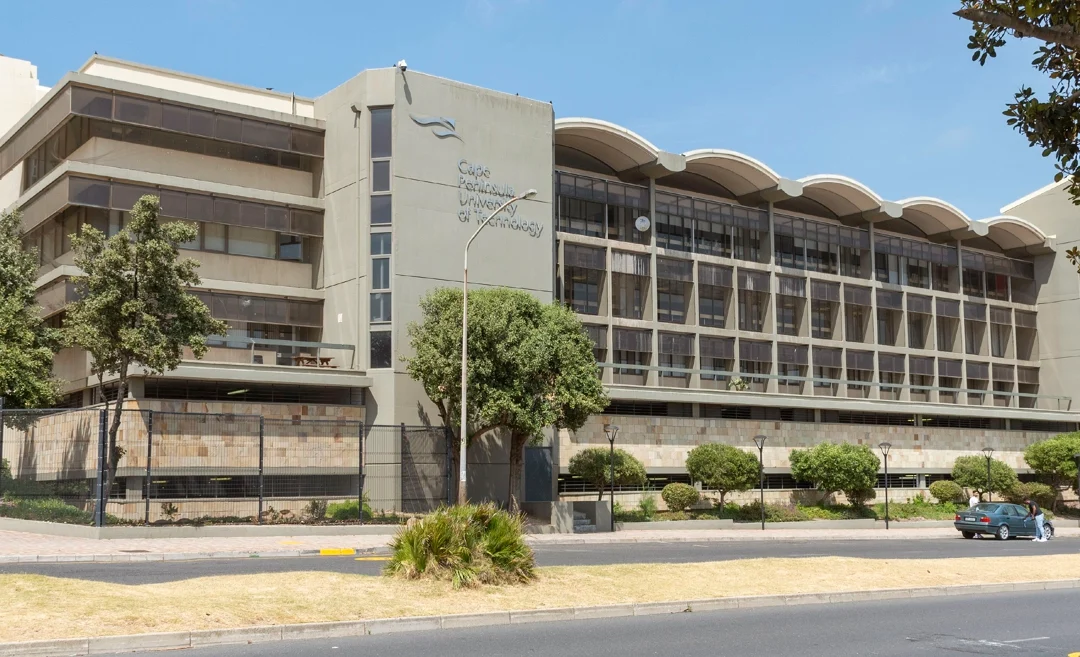
R4.2 billion shutdown hits major university in South Africa
R4.2 billion shutdown hits major university in South Africa after the Cape Peninsula University of Technology (CPUT) withdrew a draft financial recovery plan aimed at addressing an estimated R4.2 billion in student debt.
The decision follows several days of student protests across CPUT campuses, with lectures disrupted and students demanding that the proposed financial recovery measures be scrapped.
The university’s council decided to withdraw the draft plan for further consultation, in an effort to ease tensions and create space for discussions with students.
The dispute highlights the continuing financial pressures facing South Africa’s higher education sector and the difficult balance universities must strike between recovering unpaid fees and ensuring students can access and complete their studies.
CPUT student debt reaches R4.2 billion
The CPUT student debt crisis is at the centre of the latest dispute.
The university’s Draft Financial Recovery Plan was developed as an attempt to recover approximately R4.2 billion owed by students.
Under the proposed system, certain students would have been required to make an initial payment before registering, with the university also seeking a portion of outstanding arrears upfront.
The proposal included a mandatory payment of R7,000, although the detailed structure provided for R3,500 towards registration and another R3,500 for students staying in university residences.
The proposed changes would have affected self-funded students, particularly new students and some postgraduate students.
According to the university, students funded through NSFAS would not be affected by the proposed payment requirements.
The plan also sought to end an existing arrangement that allowed some students to register by signing a debt repayment pledge.
The proposed change became a major point of concern for students who argued that upfront payments would make registration more difficult for those already struggling financially.
R4.2 billion university debt sparks protests
The scale of the R4.2 billion university debt has put considerable pressure on CPUT management.
The university is required to maintain its academic and operational functions while dealing with unpaid student accounts.
At the same time, students and student organisations have argued that financial recovery measures should not create additional barriers to education.
The dispute escalated after CPUT students delivered a memorandum of demands to management at the Bellville campus.
The memorandum followed a mass meeting organised by the Central Student Representative Council (SRC).
Students subsequently intensified their protest activity, with lectures disrupted at various campuses and plans announced for a wider shutdown.
The protests involved several student organisations, including the Pan-Africanist Student Movement of Azania, the Economic Freedom Fighters Students’ Command and the uMkhonto weSizwe Student Movement.
Cape Peninsula University of Technology withdraws plan
The Cape Peninsula University of Technology eventually responded by withdrawing the draft financial recovery plan.
CPUT spokesperson Lauren Kansley said the university council made the decision during a special sitting after considering the ongoing unrest.
She said the objective was to allow further consultation before any financial recovery measures were implemented.
The council is the university’s highest decision-making body, meaning the withdrawal represents a significant change in the institution’s approach to the proposed recovery strategy.
Kansley said management hoped the decision would help restore calm across the university.
The university also called on students to end the protests.
However, the situation had already become volatile, with reports of property damage and violence during the demonstrations.
A security vehicle was reportedly set alight at the Wellington campus, while the university said a female security employee was struck in the face with a brick.
The incidents added further urgency to calls for the protests to stop.
Student protests South Africa reflect wider financial pressures
The latest events at CPUT are part of a wider pattern of student protests South Africa has experienced over funding, registration and access to higher education.
Financial pressures can become particularly acute when students have unpaid fees but still need to register for another academic year.
At CPUT, students also raised concerns about academic transcripts and graduation certificates that they say have been withheld.
They argued that these issues should be addressed alongside the university’s financial recovery measures.
Another concern involved students living in university residences.
Students said accommodation costs can exceed the NSFAS accommodation cap of R52,000 a year, leaving some beneficiaries responsible for additional expenses.
This has contributed to frustration among students who already face challenges covering food, transport and other education-related costs.
The university, meanwhile, says financial planning is necessary to ensure its long-term sustainability.
Financial recovery plan withdrawn for consultation
The financial recovery plan was intended to provide a structured approach to reducing CPUT’s unpaid student debt.
According to the proposal, new students entering academic programmes could have been required to pay an initial R3,500 registration amount.
Students staying in residences would have faced another R3,500 payment, bringing the proposed upfront amount to R7,000.
The university said these payments would be credited towards students’ fees for the academic year.
The policy was expected to apply to self-funded students rather than those covered by NSFAS.
However, students opposed the plan and demanded its withdrawal.
The university’s decision to withdraw the proposal means the plan will now undergo further consultation rather than immediately taking effect.
This gives CPUT and student representatives an opportunity to discuss alternative approaches to managing the debt.
Debt repayment arrangements remain a challenge
One of the issues facing the university is that some students have previously agreed to repay outstanding fees through instalments.
However, according to information supplied by the university and reported by GroundUp, a number of those repayment agreements have not been honoured.
This has contributed to the growing debt balance and increased pressure on the institution to recover unpaid fees.
For CPUT, the challenge is finding a solution that improves financial sustainability without creating additional obstacles for students.
Calls for transcripts and graduation certificates
Students participating in the protests have also demanded the release of academic transcripts and graduation certificates that they say have been withheld.
These documents can be essential for students applying for jobs, further studies or professional opportunities.
The dispute over their release adds another dimension to the protests.
Students argue that financial difficulties should not prevent graduates from accessing documentation linked to qualifications they have completed.
The university, however, must balance its financial policies with its academic and administrative responsibilities.
Further consultation could provide an opportunity to address these concerns alongside the broader debt problem.
CPUT faces pressure to find a lasting solution
The withdrawal of the draft plan may reduce tensions in the immediate term, but it does not eliminate CPUT’s financial challenges.
The university still has to address R4.2 billion in outstanding student debt, while maintaining teaching, infrastructure, staff salaries and other services.
Any future recovery strategy will need to consider how unpaid fees can be recovered without worsening financial hardship among students.
The situation also raises broader questions about how universities should handle student debt in an environment where public funding and household incomes remain under pressure.
For students, the priority is gaining access to education without being prevented from registering because of circumstances they cannot afford to resolve immediately.
For universities, recovering outstanding fees is important for maintaining long-term financial stability.
YOU MAY LIKE:
NSFAS administrator responds to suspended appointment ruling
What happens next?
CPUT’s council has withdrawn the draft financial recovery plan to allow further consultation.
The next stage will likely involve discussions between university management, council representatives and student leaders about how the institution can deal with its debt.
Management has also called for an end to protest action following the withdrawal of the plan.
Whether this will calm the situation remains to be seen.
The R4.2 billion shutdown hits major university in South Africa development highlights the difficult financial choices facing universities and the pressure students are under.
For now, CPUT has stepped back from its proposed recovery plan, but the underlying debt remains.
The university will need to find a sustainable way to recover outstanding fees while ensuring that financial difficulties do not prevent deserving students from registering, graduating and progressing with their education.
References from mainstream media
- IOL – CPUT students demand action as protests continue
Read the IOL report - IOL – Escalating protests lead to student suspensions at CPUT
Read the IOL report - IOL – Parliament defends NSFAS accommodation cap amid SRC demands
Read the IOL report - GroundUp – CPUT financial recovery plan and student debt coverage
Read GroundUp’s CPUT coverage
Support Independent Journalism with eKayNews! 📰✨

At eKayNews, we are dedicated to bringing you honest, independent, and reliable news. But we can’t do it alone—independent journalism relies on the strength and generosity of its community.
If you value our work, please consider supporting us today! You can help keep us going by choosing a subscription or simply buying us a one-off virtual coffee:
👉 Support us here: ekaynews.co.za/subscribe-form/
You can also support our mission by visiting our main site at www.ekaynews.co.za and following @eKayNews on all social media platforms.
Thank you so much for your incredible generosity and for being part of our journey! 🙏💙