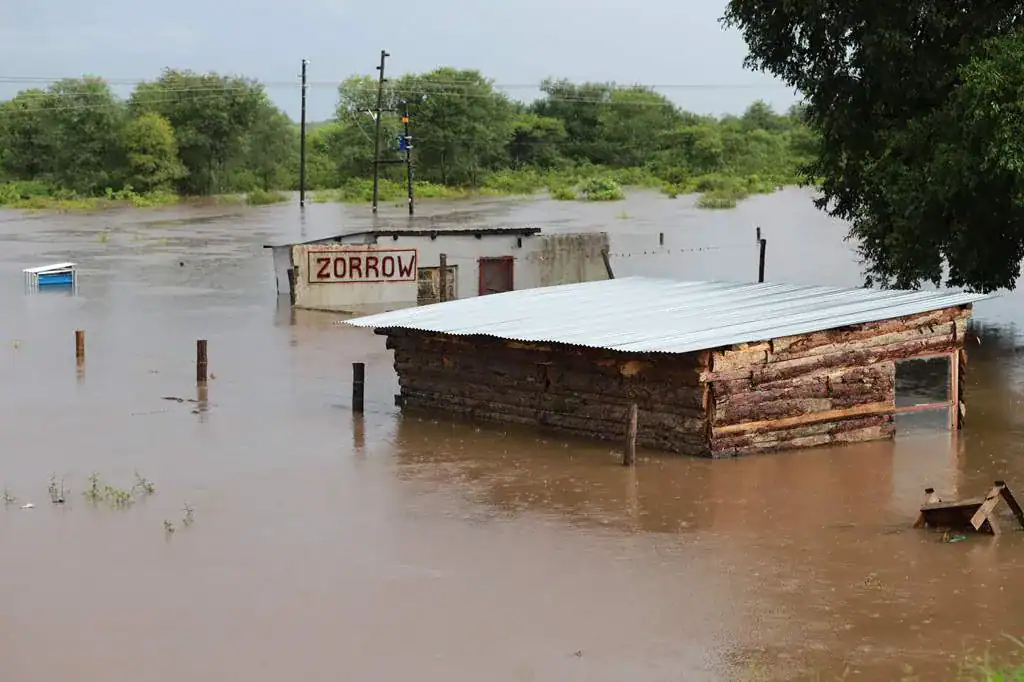
Severe weather, Limpopo floods classified as a ‘national disaster’
Severe weather, Limpopo floods classified as a ‘national disaster’ marks a critical step by the South African government to address the widespread destruction caused by recent flooding across Limpopo and Mpumalanga. The declaration, announced by the National Disaster Management Centre (NDMC) on 17 January 2026, follows a comprehensive assessment of the damage and allows for coordinated national intervention.
The extreme weather has left thousands of residents affected, damaged essential infrastructure, and disrupted basic services, prompting urgent action from all spheres of government.
Government declares Limpopo floods a national disaster
The Limpopo floods national disaster declaration was made after authorities determined that the scale of destruction exceeded the response capacity of provincial and local governments. The NDMC confirmed that persistent heavy rainfall led to overflowing rivers, flash floods, and infrastructure collapse in several districts.
Homes were washed away, roads and bridges collapsed, and access to healthcare, electricity, and clean water was severely disrupted. The disaster classification now enables affected provinces to access national funding, technical support, and emergency relief resources.
Severe weather in South Africa causes widespread damage
Impact across Limpopo and Mpumalanga
The recent episode of severe weather South Africa has experienced highlights the growing vulnerability of communities to climate-related disasters. In Limpopo, low-lying areas were hardest hit, with entire villages submerged under floodwaters.
In neighbouring Mpumalanga, floodwaters damaged schools, clinics, and municipal infrastructure, leaving communities isolated. Emergency services worked around the clock to evacuate residents and provide temporary shelter.
Authorities say the damage to public infrastructure will require extensive rebuilding efforts, particularly in rural areas where access roads and bridges are critical lifelines.
Mpumalanga flood damage worsens humanitarian needs
The Mpumalanga flood damage added further strain to disaster response teams already stretched by events in Limpopo. Flooded road networks delayed relief operations, while damage to water treatment plants raised concerns over water quality and sanitation.
Farmers in both provinces also reported significant losses, with crops destroyed and livestock swept away. This has raised fears of food insecurity and economic hardship in affected communities.
Provincial governments are now working closely with national departments to assess agricultural losses and provide relief to affected farmers.
National Disaster Management Centre leads response
Coordinated action across government
The National Disaster Management Centre plays a central role in coordinating South Africa’s disaster response. Following the disaster classification, the NDMC activated intergovernmental protocols to ensure a swift and unified approach.
National departments, provincial disaster management teams, and municipalities are now working together to prioritise rescue operations, humanitarian aid, and infrastructure repair. This coordination is essential to avoid duplication of efforts and ensure resources reach the most affected areas quickly.
Relief efforts and emergency support underway
With the declaration in place, emergency funding has been unlocked to support relief operations. Temporary shelters have been established for displaced families, while food parcels, clean drinking water, and medical assistance are being distributed.
Non-governmental organisations and community groups have also stepped in to support government efforts, highlighting the importance of public-private cooperation during national emergencies.
Authorities have urged residents in flood-prone areas to remain vigilant, as further rainfall could worsen conditions.
Environmental damage raises long-term concerns
Beyond immediate humanitarian needs, the floods have caused significant environmental damage. Riverbanks were eroded, wetlands were affected, and debris polluted waterways.
Environmental experts warn that unchecked damage could have long-term consequences for biodiversity and water systems. Rehabilitation of affected ecosystems will form part of the longer-term recovery plan under the Limpopo floods national disaster response framework.
Infrastructure rebuilding becomes a priority
Restoring roads, bridges, and services
Rebuilding damaged infrastructure is now a key priority. Engineers are assessing the structural integrity of bridges and roads to prevent future failures.
Municipalities face the challenge of restoring electricity, water supply, and sanitation services while ensuring rebuilt infrastructure is more resilient to extreme weather events.
Government officials have emphasised the need for climate-resilient infrastructure as severe weather South Africa continues to experience becomes more frequent and intense.
Communities urged to cooperate with authorities
Residents in affected areas have been urged to cooperate with disaster management teams and follow safety instructions. Authorities warned against returning to damaged homes before structural assessments are completed.
Community leaders have also been encouraged to assist in identifying vulnerable individuals, including the elderly, children, and people with disabilities, to ensure they receive priority assistance.
Climate change and future disaster preparedness
The floods have reignited debate around climate change and disaster preparedness in South Africa. Experts warn that extreme weather events are likely to increase, making early warning systems and disaster planning more critical than ever.
The NDMC has indicated that lessons learned from the Limpopo and Mpumalanga floods will inform future disaster response strategies, including improved forecasting and community awareness programmes.
Economic impact of the floods
The economic cost of the disaster is expected to be significant. Damaged infrastructure, agricultural losses, and disrupted business activities will affect local and provincial economies.
Government officials said financial assessments are underway to determine the full economic impact and inform recovery budgets.
Support packages for small businesses and farmers are expected to be announced as part of the national recovery plan.
YOU MAY LIKE:
South Africa’s Kruger National Park shuts after severe floods
Conclusion: National disaster declaration enables recovery
Severe weather, Limpopo floods classified as a ‘national disaster’ underscores the seriousness of the situation and the urgent need for coordinated national action. The declaration enables access to vital resources, accelerates relief efforts, and lays the groundwork for long-term recovery and rebuilding.
As communities begin the difficult process of recovery, government authorities, civil society, and residents alike are being called upon to work together to rebuild safer, more resilient communities in the face of growing climate risks.
National & International News Sources
• South Africa declares national disaster after deadly floods
Kindly consider to support eKayNews, Buy Us a Coffee & Keep the News Flowing!

Love what we do? You can now support eKayNews directly! Your contributions empower us to deliver the breaking news, sports, and local updates you trust.
Ways to Support:
-
Subscribe: Choose any amount (cancel anytime).
-
Virtual Coffee: A quick, once-off donation to say thanks.
Note: Payments are 100% secure via PayFast. We never see your banking details.
To our amazing readers: Your support fills us with gratitude. You are the reason we can keep doing this every day. Thank you for being a vital part of the eKayNews family!
We’re feeling the love at eKayNews!

Facebook: [eKayNews on Facebook] X (Twitter): [eKayNews on X] WhatsApp: [Follow the eKayNews WhatsApp Channel] Join our inner circle for real-time news alerts!
📢 Advertising Packages on www.eKayNews.co.za
Package 1. Link Booster: We add 7 links to 7 articles over 7 days – R2,500
Package 2. Permanent Feature: Sponsored Blog Article (hosted permanently) – R4,000
Package 3. Prime Visibility: Home Page Banner Ad (30 days) – R5,000
Book now: Email info@ekaynews.co.za or WhatsApp us on +27710961185